Meal Plan Results First 30 Days


Most people quit a structured eating plan at the exact point the body is changing most. This article explains what's happening in the body during the first two weeks of a meal plan, why the scale is the worst metric to track at that moment, and what the real signals of progress look like before the visible results arrive.
Most people who have quit a meal plan have a very specific quitting moment. It's usually somewhere around day ten or eleven. The novelty has gone. The visible results aren't there yet. And the effort of eating differently still feels like effort rather than just how they eat.
Looking back, most of them were also sleeping better at that point. Less hungry in the evenings than they'd been in years. More consistent energy through the afternoon without the 3pm collapse. The body was already producing real meal plan results. They just weren't measuring the right things to see it.
What the Scale Is Actually Measuring in Week One (Hint: Not Fat)
The scale in the first week of a structured eating plan is measuring water. Almost entirely water.
The body stores carbohydrates as glycogen in the muscles and liver. Each gram of glycogen holds onto roughly three to four grams of water alongside it. Research on glycogen and body weight fluctuation found that changes in glycogen stores produce scale movements that look dramatic but have nothing to do with fat change. When eating patterns shift, glycogen levels fluctuate. The water attached to those stores fluctuates with them. The number on the scale moves accordingly, up and down, in ways that genuinely don't reflect what's happening to body fat.
This is why the first week on a meal plan can produce a quick drop that feels encouraging, followed by a few days where the scale barely moves or even edges up. Neither reading is about fat. The person who steps on the scale at day eight and sees no meaningful change from day three isn't at a plateau. They're watching water fluctuation and reading it as evidence that the plan isn't working.
Fat change is happening. It's just too small relative to glycogen and water noise to show up clearly on a household scale in week one. The meal plan results that actually matter are building underneath a number that can't reflect them yet. This is not a reassuring metaphor. It's physiology.
The Changes Already Underway That Most People Don't Notice
While the scale is doing its misleading thing, the body is running a fairly significant reorganisation in the background. Most people don't notice it because they're not looking for it.
Energy is the first thing to shift. Consistent meal timing recalibrates the blood sugar rhythm that drives the afternoon crash most people have normalised as just how their day goes. When glucose levels stay more stable through the day, the drop that produces fatigue and cravings around 3 or 4pm doesn't hit in the same way. The connection between structured eating and energy regulation shows up within the first week for most people. Not dramatically. Just the absence of something that used to reliably be there.
Sleep tends to follow. Stable blood sugar in the evening reduces the cortisol spike that comes from late-night hunger and unplanned eating. The body goes into sleep in a different hormonal state than it did when dinner was large, late, and unstructured. People report falling asleep more easily and waking less. They often don't connect this to the meal plan at all. It feels like a coincidence.
Hunger normalises around day eight to twelve for most people. The chaotic, unpredictable appetite that drove evening overeating starts settling into something more readable. Not gone, just predictable. The person who used to be ravenous by 7pm finds themselves comfortably hungry at dinner rather than arriving at it in a state that overrides any intention. These are meal plan results. They're just not the ones anyone posts about.
Why Day Fourteen Is the Most Important Day to Not Quit
Days ten to fourteen are when most people leave. They're also, almost always, the inflection point.
Research on how habits actually form found that new behaviours take considerably longer to become automatic than most people expect, and that the early period consistently feels like the most effortful. The behaviour hasn't automated yet. It still requires a conscious decision each time. That conscious decision is tiring in a way that genuine habits aren't, because genuine habits don't require one.
The people who quit at day ten are leaving at exactly the point where, if they stayed, the eating pattern would start to shift from something they're doing to something they just do. The effort doesn't disappear overnight. But around day fourteen to eighteen, for most people on a consistent structure, the meals start to feel less like a plan being followed and more like just what Tuesday looks like. That transition is what every previous diet attempt was missing.
The person who has quit four meal plans at day ten isn't someone who can't sustain things. They're someone who left before the sustaining part started. The body had already adapted its hunger signals. The energy was already different. The meal plan results that required the most effort to produce were sitting right behind the moment they walked away.
The results you came for are on the other side of day fourteen.
Delicut's Performance Plan is built to carry you through the window where most people quit: consistent meal plan timing and portioning that keeps the body's energy, sleep, and hunger shifting in the right direction while the visible results are still forming. The structure does the work that motivation was trying to do in week two. See the Performance Plan here.
Key Takeaways
The scale in week one is measuring water and glycogen, not fat. Early fluctuations are real but they have almost nothing to do with fat change. Reading them as evidence the plan isn't working is the most common reason people quit something that's actually working.
The real early results are energy, sleep, and hunger. These shift within the first ten days of consistent structured eating. They're the body responding. They're also what the visible result builds on. Most people don't notice them because they're watching the wrong metric.
Days ten to fourteen are the hardest and the most important. The eating pattern hasn't automated yet so it still feels like effort. Stay past this point and the effort starts to drop. Leave at this point and the only part that ever felt hard was the whole thing.
FAQs
Q: How much weight should I expect to lose in the first 30 days on a meal plan?
It varies too much to give a single number, and the first two weeks specifically are dominated by water and glycogen fluctuation rather than fat loss. A more useful framing: by day 30, most people on a well-structured plan are seeing consistent fat loss that the scale can now actually reflect, along with noticeably improved energy, appetite regulation, and sleep. The month-one result is usually less dramatic on the scale than expected and more significant in how the body actually feels day to day.
Q: What if I reach day fourteen and genuinely feel worse, not better?
If energy is lower, sleep has worsened, and hunger is more chaotic than before, that's worth looking at. It usually points to one of three things: the calorie level is too low for the activity involved, the protein isn't high enough to keep hunger stable, or the meal timing is inconsistent enough that the body hasn't had a rhythm to adapt to. These are structural adjustments, not reasons to stop. A well-built plan shouldn't make you feel worse by week two.
Q: Does it get easier after day fourteen or does it always require this much effort?
For most people, yes, it gets noticeably easier. The research on habit formation shows that behaviours which feel effortful in the early weeks shift toward automatic as the pattern repeats. By week four on a consistent meal structure, the decisions that felt hard in week one are mostly not decisions anymore. The meal arrives. You eat it. The mental overhead that made dieting exhausting in the past is gone because the structure has replaced the decision.
Trending Searches:
Meal Plan Dubai | High-protein Meal Plan | Meal Plan Ajman | Meal Plan Al In | Meal Plan Sharjah | Meal Plan Subscription
Saja Davood
Nutritionist, Delicut
As a Registered Nutritionist with a degree in Food Nutrition and Dietetics, Saja brings over five years of hands-on experience. She designs personalised, science-backed nutrition plans to help manage conditions such as diabetes, hypertension, obesity, PCOS, and digestive disorders. Her approach centres on Medical Nutrition Therapy (MNT), using food and lifestyle adjustments to prevent and manage chronic diseases in a practical, sustainable way.

Related Blogs

The No Refined Sugar Meal Plan
Oct 9, 2026 | 8
Delicut Introduces New Arabic Dishes to Its Menu
Sep 9, 2026 | 8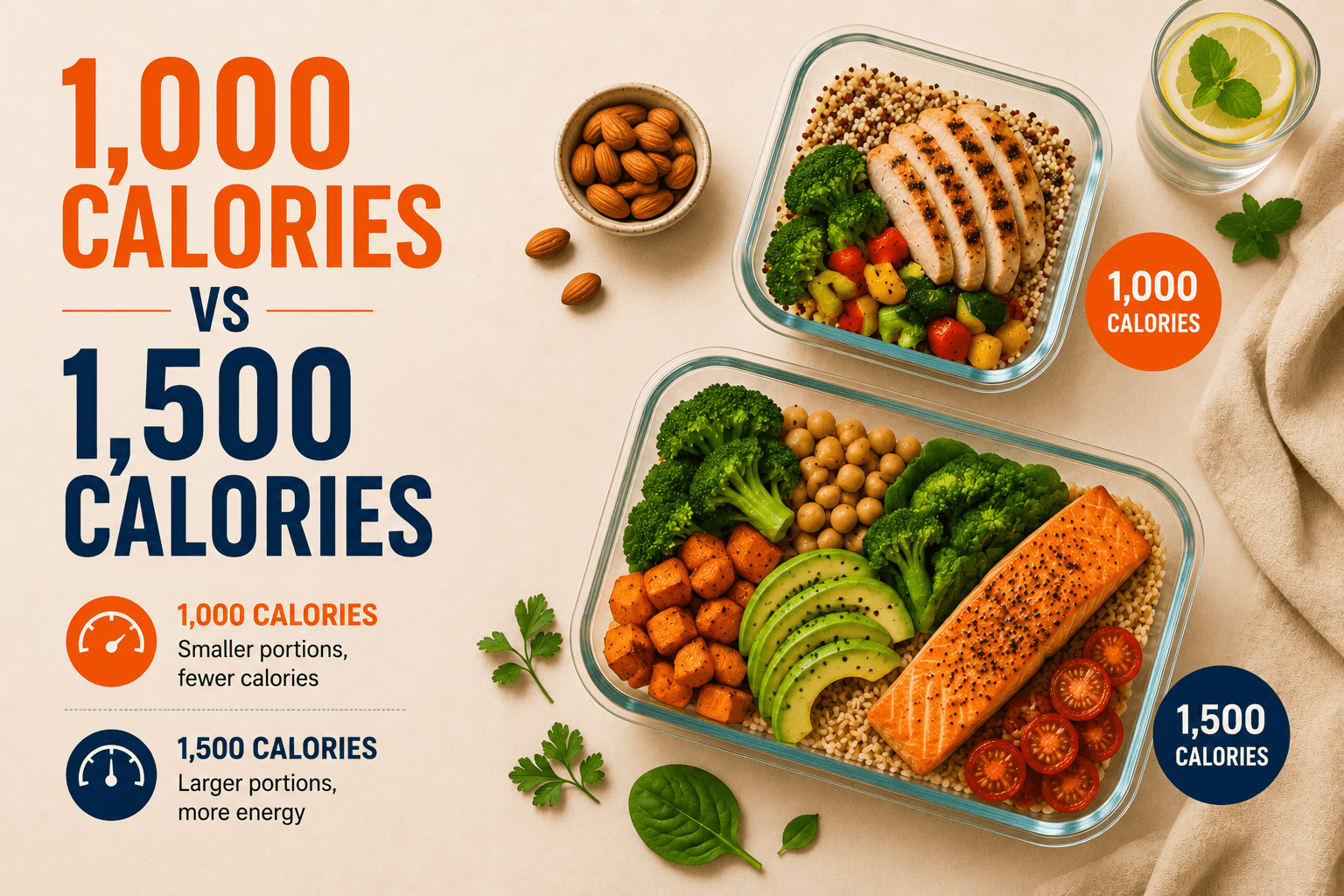
1,000 Calories vs 1,500 Calories: What's the right range for your body?
May 27, 2026 | 8
Metabolism Slowdown: The Signs Your Body Shows Before the Scale Does
May 19, 2026 | 8
The Relocation Weight Trap
May 26, 2026 | 8
Meal Plan Results First 30 Days
May 25, 2026 | 8
Weight Loss in the UAE
May 25, 2026 | 8
Structured Meal Planning
May 23, 2026 | 8
Meals for Bloating and Acid Reflux
May 21, 2026 | 8
Influencer Diet Culture: Why the Plan That Worked for Them Won't Work for You
May 21, 2026 | 8