Influencer Diet Culture: Why the Plan That Worked for Them Won't Work for You

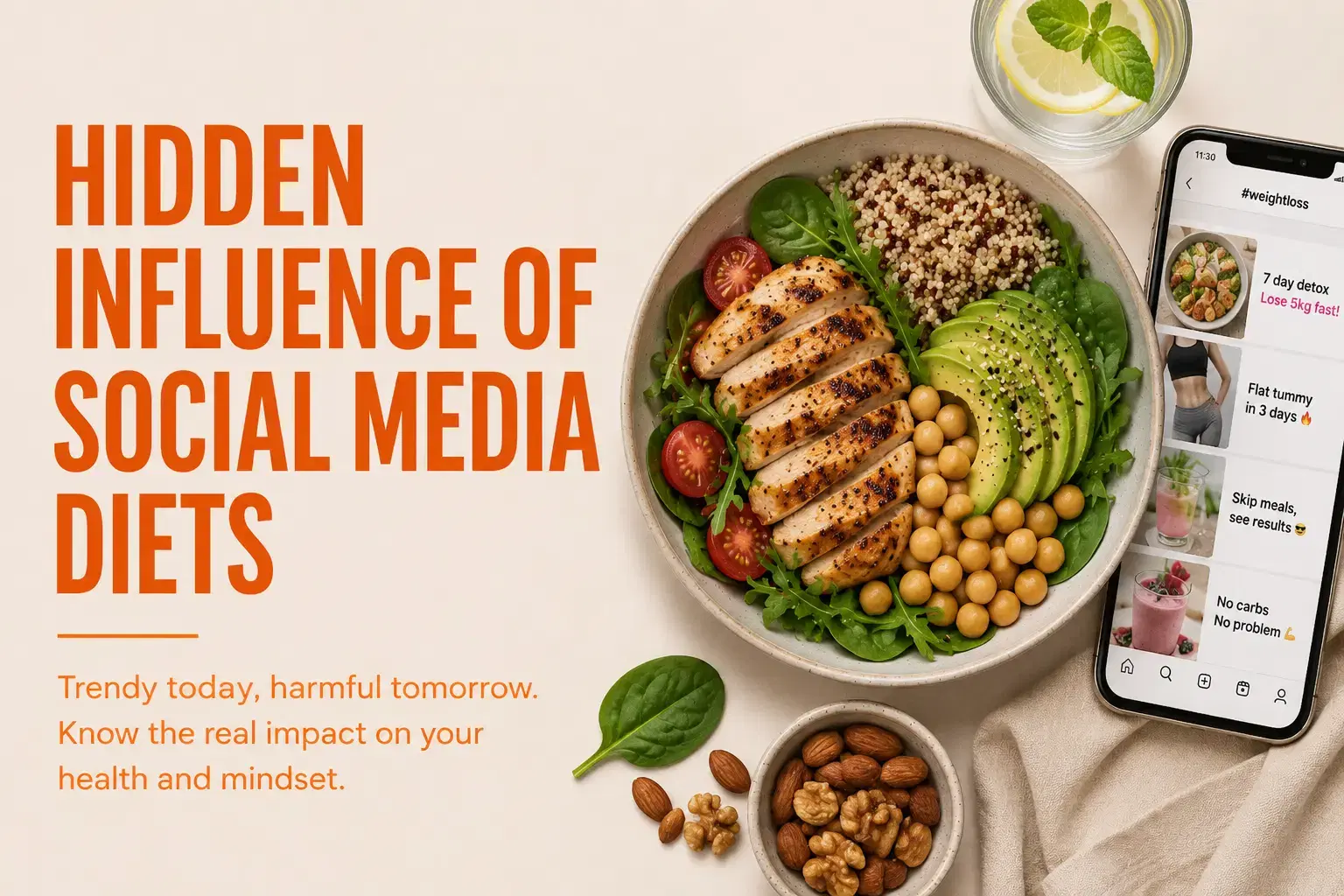
The influencer diet cycle, try it, stall, blame yourself, find the next one, is a pattern most people recognise but rarely examine. This article looks at why these diets produce different results in different bodies, what the content format leaves out, and what the repeated cycling actually costs over time.
Most people who have tried a social media diet haven't tried one. They've tried five or six. Each one looked like the answer for about three weeks.
The pattern is consistent. Something appears on a feed backed by visible results and enough conviction to feel credible. The protocol sounds manageable. The first couple of weeks produce something real. Then it plateaus, or gets hard in a way that doesn't feel like normal difficulty, or just stops fitting into actual life. The natural conclusion is that something is wrong personally. That the problem is a lack of discipline, or the wrong body type, or some vague deficiency in follow-through. It usually isn't. The influencer diet wasn't designed to work in your life. It was designed to work in theirs.
The Diet You're Copying Is Built for a Completely Different Context
What you see on screen is an output. A result produced by a specific combination of training schedule, sleep, recovery support, stress load, body composition history, and sometimes professional guidance that exists entirely off camera. The diet being shown is real. The context that makes it produce those results just isn't visible.
Research on individual variation in dietary response found that two people eating identical meals can produce dramatically different blood sugar responses and metabolic outcomes from the same food, same portions, same timing. The variation came down to gut microbiome, body composition, lifestyle, and history. The influencer diet isn't working differently for you because you're doing it wrong. It's producing a different result because you are a different person running it through a different system.
The person running a 1400-calorie high-protein cut on a feed is doing it from a body that likely has a higher lean mass base, an active training programme, adequate sleep, and a metabolism already adapted to previous structured cuts. Replicate the calorie number and the food choices without any of those underlying conditions and you're not running the same diet. You're running a stripped version with none of the infrastructure that makes it work.
This is the part most influencer diet content skips. The protocol is presented as the variable. The body running it, the sleep behind it, the years of consistency that built the baseline, all of that is treated as background noise. It isn't. It's most of the reason the result looks the way it does.
What the Format Leaves Out Is the Whole Point
'What I eat in a day' is a content format, not a nutrition protocol. The version of a diet that performs on social media is the simplified one: three or four meals, recognisable ingredients, good framing. What it doesn't show is how much training happened that day, what the sleep looked like the night before, whether this is a rest day or a high-output day, what the rest of the week's intake was, or how long the person has actually been eating this way.
Research on social media food content and disordered eating patterns found that the presentation of dietary choices as effortless and universal is a significant part of how the content shapes behaviour. The simplicity isn't an accurate summary of the protocol. It's an editorial choice that makes the content easier to watch and easier to share. The missing context isn't incidental. It's what would make the diet make sense.
The result is that people try a condensed, decontextualised version of a diet built for someone else's body and wonder why they get a different result. A late meeting makes dinner late. A stressful week disrupts sleep. A social event breaks the streak. The protocol, which was never designed for these conditions in the first place, falls apart. The conclusion is a personal one. It shouldn't be.
Real dietary consistency doesn't look like the content. What actually produces results over time is eating in a way that fits well enough into actual life to keep happening. Not a perfect protocol executed once for three weeks. Something unremarkable, done repeatedly.
The Real Cost Is What the Cycling Builds Up To
Any single influencer diet, tried once and abandoned, probably doesn't do lasting damage on its own. The problem isn't the protocol. It's the pattern. Try one, stop after three weeks, wait a bit, try the next one. Repeat. That cycle has a documented cost that compounds quietly over time.
Research on repeated cycles of restriction and re-feeding found that each cycle tends to cost more lean mass relative to fat than the one before. The body adapts. It becomes more conservative with energy and more efficient at holding on to fat stores when it detects the familiar pattern of restriction. The person who has run five or six influencer diet cycles in two years and feels like they're always starting from a worse position is not imagining it. The baseline has shifted in response to the pattern itself.
Each restart also resets the consistency that actually drives results. The diet that works isn't the most optimised one. It's the one that runs long enough to accumulate. Cycling through better-looking protocols every few weeks means never being on any of them long enough for that accumulation to happen.
The influencer whose diet is being copied is almost certainly not cycling. They're consistent. Boringly, unglamorously consistent. The results come from that repetition, not from the specific foods or the calorie number. A diet plan built around your actual schedule and preferences, one you can keep running without needing a reset every month, will outperform any perfectly calibrated protocol you can't sustain past week three.
The opposite of an influencer diet isn't a harder protocol. It's one built around you.
Delicut's Build Your Own Plan lets you configure meals around your actual schedule, your food preferences, and what you can realistically keep eating week after week. Not someone else's output replicated in your life. Your own inputs, structured into a diet plan that fits well enough to actually continue. Start building your plan here.
Key Takeaways
The influencer's diet is calibrated to their context. Training load, body composition, sleep, recovery support. Copy the output without those inputs and you're running a different protocol with a different result. That isn't failure. It's a design mismatch.
The content format strips what makes a diet transferable. The simplicity on screen is an editorial choice, not an accurate picture of the protocol. The missing context is what would actually make it work.
The real cost is the cycling pattern, not any single failed diet. Each restart from restriction tends to cost more lean mass and produce less metabolic response than the one before. Consistency with a plan that actually fits your life is what accumulates into a result.
FAQs
Q: Can influencer diets ever actually work?
Yes, sometimes. If the person on screen has a similar body composition, activity level, and daily structure to yours, the protocol might transfer reasonably well. The problem is you have no way to know that from the content. And even then, the version of the diet being shown is edited for performance, not precision. Treat it as a starting point you adjust to your situation rather than a template to follow exactly.
Q: How do I know if a diet I found online is worth trying?
Look for context, not results. A diet worth trying explains why the food choices and timing make sense, not just what the results look like. If the entire case for it is before-and-after images and testimonials, that's a content strategy, not a nutrition argument. The question to ask is whether the approach makes sense for your training load, your schedule, and what you're actually able to eat consistently.
Q: What's the difference between following a protocol and copying an influencer diet?
A protocol explains the reasoning and lets you adjust it to your context. It tells you what variables actually matter and gives you enough to adapt intelligently when life doesn't cooperate. A copied influencer diet gives you a list of foods and a calorie number with no framework underneath. When it breaks down, which it will, there's nothing to fall back on except starting again.
Trending Searches:
Best Meal Plans Dubai | Healthy Meal Plan Abu Dhabi | High-protein Meal Plan | Meal Plan Ajman | Meal Plan Al In | Meal Plan Sharjah
Saja Davood
Nutritionist, Delicut
As a Registered Nutritionist with a degree in Food Nutrition and Dietetics, Saja brings over five years of hands-on experience. She designs personalised, science-backed nutrition plans to help manage conditions such as diabetes, hypertension, obesity, PCOS, and digestive disorders. Her approach centres on Medical Nutrition Therapy (MNT), using food and lifestyle adjustments to prevent and manage chronic diseases in a practical, sustainable way.

Related Blogs
The No Refined Sugar Meal Plan
Oct 9, 2026 | 8
Delicut Introduces New Arabic Dishes to Its Menu
Sep 9, 2026 | 8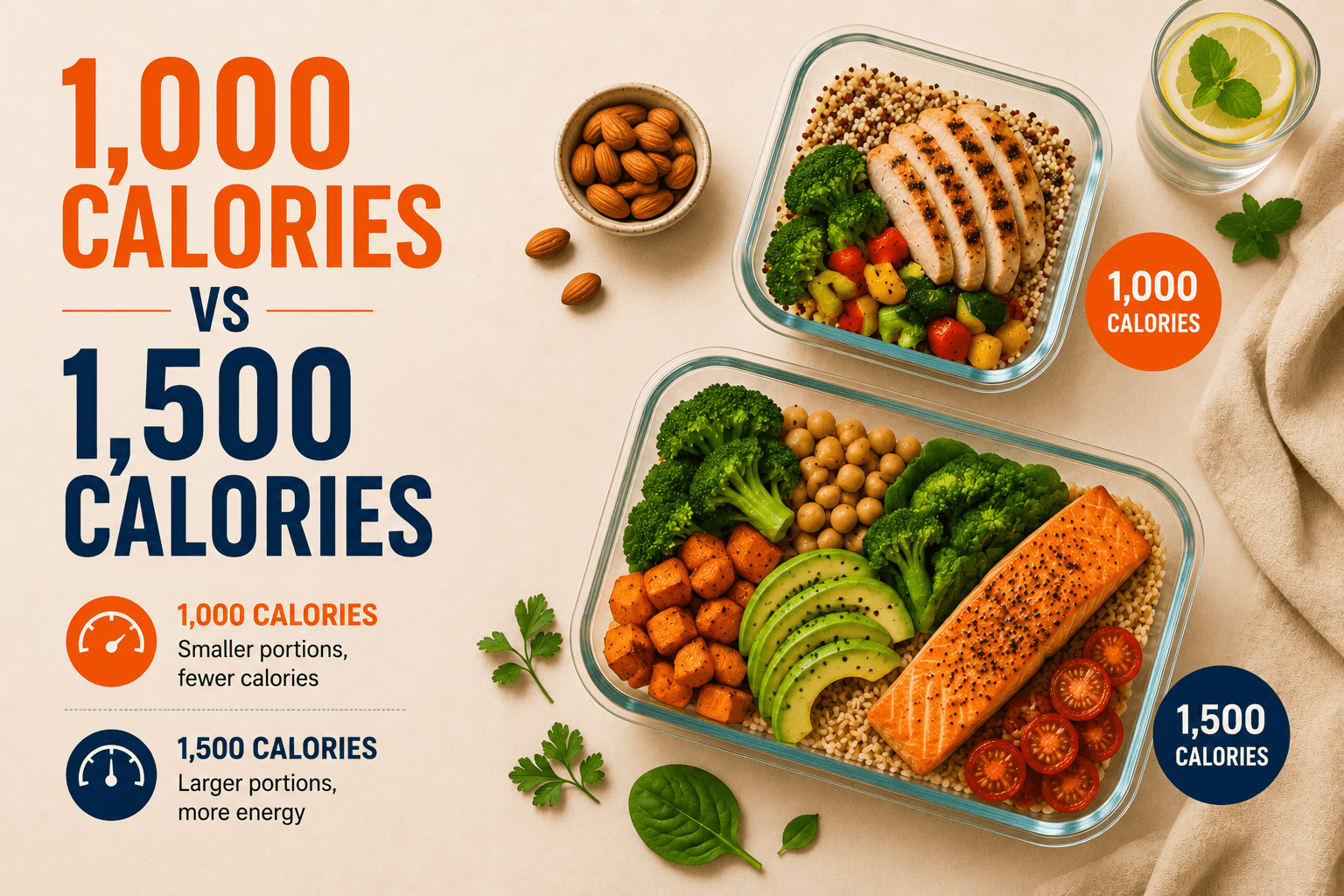
1,000 Calories vs 1,500 Calories: What's the right range for your body?
May 27, 2026 | 8
Metabolism Slowdown: The Signs Your Body Shows Before the Scale Does
May 19, 2026 | 8
The Relocation Weight Trap
May 26, 2026 | 8
Meal Plan Results First 30 Days
May 25, 2026 | 8
Weight Loss in the UAE
May 25, 2026 | 8
Structured Meal Planning
May 23, 2026 | 8
Meals for Bloating and Acid Reflux
May 21, 2026 | 8
Influencer Diet Culture: Why the Plan That Worked for Them Won't Work for You
May 21, 2026 | 8