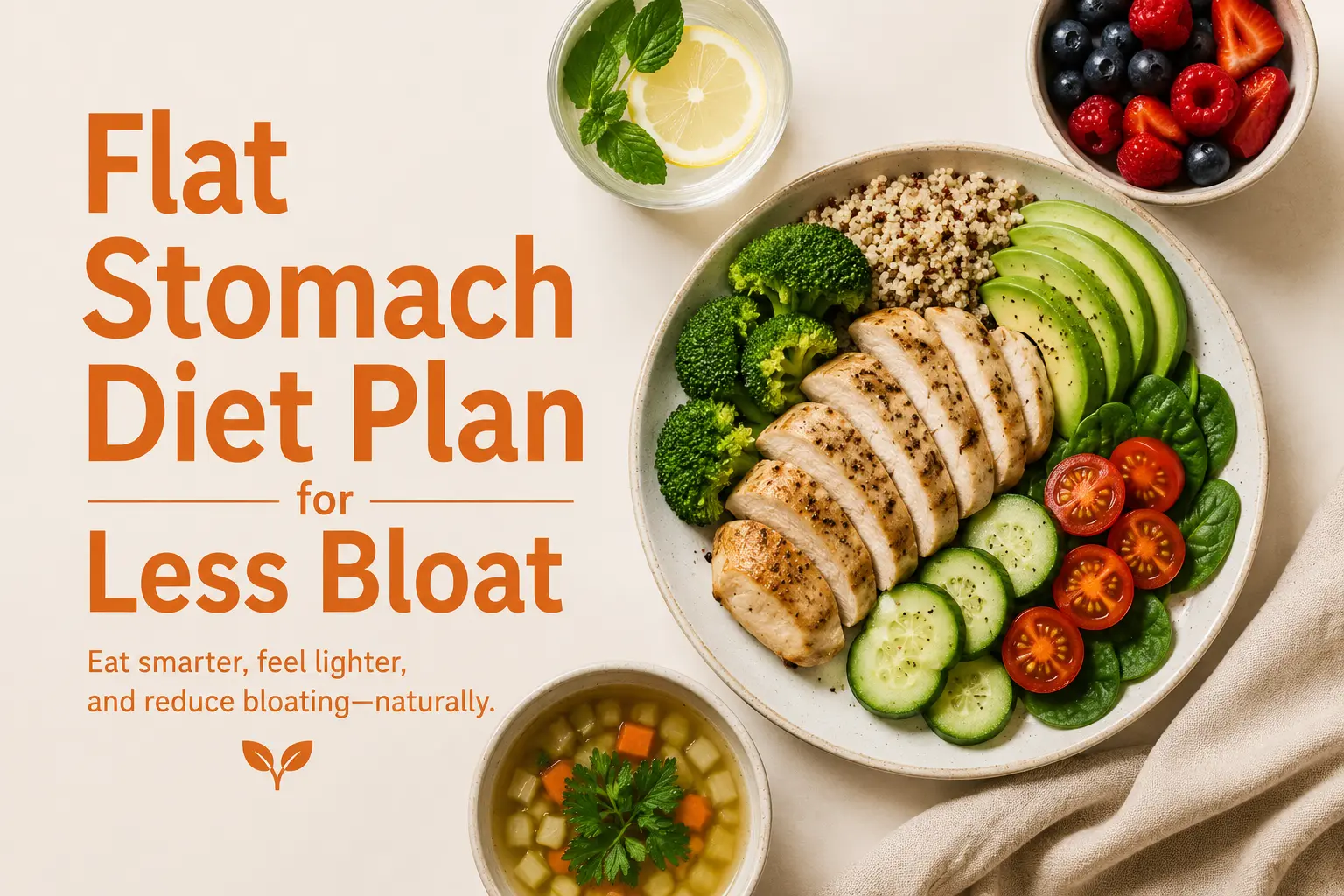

Flat Stomach Diet Plan for Less Bloat
May 15, 2026 | 8 min
The internet's flat stomach diet plan is packed with foods that are surprisingly good at causing gas. This article explains what bloating actually is, why the cleanest diets often produce the most of it, and what a diet for less bloat actually needs to get right.
The person eating lentil bowls, leafy green salads, protein bars between meals, and kombucha for gut health is often the most bloated person in the room. Not the person eating simply. Not the one who skipped the health food aisle. The one doing everything right.
This isn't a coincidence. Many of the foods positioned as flat stomach staples are among the highest-fermentation foods you can eat. The bloating isn't coming from bad choices. It's coming from specific ones.
Bloating Is a Fermentation Problem. Not a Quantity Problem.
Most people treat bloating as eating too much. Cut the portion, fix the problem. It doesn't work because that's not what's happening.
Bloating is gas. Specifically, it's what happens when gut bacteria get hold of certain carbohydrates that your small intestine couldn't break down, and ferment them. A category of foods called FODMAPs, short for a long list of carbohydrate types, are particularly good at triggering this. The research that first mapped the FODMAP framework found these foods to be the main dietary cause of gut gas and bloating even in people with no underlying digestive issues.
Here's the part that doesn't get said enough: the foods most likely to trigger this are the ones showing up on every clean-eating list. Garlic. Onions. Chickpeas. Lentils. Broccoli. Cauliflower. Most fruits. None of them are bad. They're just really hard on the gut for a lot of people, and a flat stomach diet plan that loads up on them is kind of working against itself.
The Specific Culprits Most Health-Conscious Eaters Don't Suspect
Protein bars are one of the worst offenders, and almost nobody suspects them. The sweetness in most bars comes from sugar alcohols like sorbitol, xylitol, or maltitol. These don't absorb well in the small intestine, so they travel down to the large intestine mostly intact and ferment there. One bar can cause more gas than a full meal because it's essentially delivering a concentrated fermentation trigger in one hit.
Raw garlic and onion are probably the biggest culprits in most kitchens, and they're the base of almost every 'healthy' dinner. Cooked down and used in small amounts, they're a lower risk. Raw, or used generously, they're among the most gas-producing foods you can eat. The stir-fry with a garlic-onion base is already doing damage before the vegetables even show up.
Legumes, chickpeas, lentils, black beans, contain a type of carbohydrate the body literally cannot digest on its own. There's no enzyme for it. So it arrives in the large intestine whole and the gut bacteria take over from there. Clinical trials on low-FODMAP eating and bloating found measurable bloating reductions when legume intake was cut back, even in people without any diagnosed gut condition.
Raw broccoli, cauliflower, cabbage, and Brussels sprouts contain compounds the body can't break down either. The bacteria handle the job instead. That's where the gas comes from. Kombucha introduces live cultures that can be genuinely helpful long-term, but they also produce gas in the short term. Sparkling water is just carbonation going straight in. None of these foods are doing anything wrong. They're just not living up to the flat stomach promise.
What a Flat Stomach Diet Plan for Less Bloat Actually Looks Like
It's not a restriction diet. It's a swap diet. Same nutritional quality, just without the foods that are actively causing the problem.
Cook your cruciferous vegetables instead of eating them raw. Roasting or steaming breaks down the compounds that cause gas, so roasted broccoli sits very differently in the gut than raw broccoli in a salad. Use garlic-infused oil instead of raw garlic. The gas-causing compounds stay in the garlic during infusion and don't transfer to the oil, so you get the flavour without the gut reaction. Switch to rice, oats, or potatoes as your main carb sources. Wheat is one of the more common triggers for a lot of people and it's worth taking out first to see what changes.
Canned chickpeas and lentils that have been properly rinsed are noticeably lower on the trigger scale than legumes cooked from dry. You don't have to cut them out entirely, just reduce the portion and rinse well. Swap the protein bar for eggs, fish, chicken, or tofu. And if kombucha is part of the daily routine, make it occasional rather than a three-times-a-day habit.
Protein, vegetables, complex carbs, healthy fats, all of it still in a flat stomach diet plan that looks like this. Just without the specific foods that turn every meal into a gas-producing event. Most people notice a visible change within three to five days of cutting the main triggers, which is faster than any fat loss result would be. Because the bloating was never fat to begin with.
The clean diet is fine. It just needs the fermentation triggers removed.
Delicut's Build Your Own Plan lets you configure your meals around a flat stomach diet that's actually built for less bloat: protein-anchored, cooked where it matters, and without the gas-triggering ingredients that most healthy meal plans quietly include. Same nutrition. Very different gut response. Start building your plan here.
Key Takeaways
Bloating is gas, not fat. Cutting portions doesn't fix it. Finding the specific foods in an otherwise clean diet that are causing the fermentation, and reducing those, does.
Protein bars, raw garlic and onion, legumes, raw cruciferous veg, and kombucha are some of the most common bloating triggers in health-conscious diets. Not because they're bad foods. Just because they're genuinely hard on a lot of guts.
The flat stomach diet plan that works for less bloat is a swap, not a restriction. Cooked over raw. Garlic oil over raw garlic. Rice over wheat. Eggs over a protein bar full of sugar alcohols. The nutrition stays. The gas doesn't.
FAQs
Q: Does everyone react to these foods, or is this only a problem if you have IBS?
It's not an IBS thing. The fermentation process happens in everyone's gut. How much gas a particular person produces from garlic or legumes just varies. Some people eat chickpeas daily and feel nothing. Others bloat from a single serving. If your diet is clean and you're still consistently bloated, the food selection is the first thing worth looking at.
Q: If I cut these foods out, am I missing out on gut health benefits?
Not in the short term. Your gut doesn't need daily high-trigger foods to stay healthy. The goal isn't to cut everything out forever either. It's to pull the worst offenders, let things settle, then figure out how much of each you can actually tolerate. Most people find they can reintroduce smaller amounts later without the same reaction.
Q: How quickly will I actually notice a difference?
Usually within three to five days of removing the main triggers. Bloating is gas and fluid, not fat, so it shifts much faster than actual body composition would. If your stomach looks different in a week, it wasn't carrying fat. It was carrying gas. That's a much easier problem to fix.
Trending Searches:
Meal Plan Dubai | Affordable Meal Plans Abu Dhabi | Meal Plan Ajman | Meal Plan Al In | Meal Plan Sharjah | Meal Plan Subscription
Saja Davood
Nutritionist, Delicut
As a Registered Nutritionist with a degree in Food Nutrition and Dietetics, Saja brings over five years of hands-on experience. She designs personalised, science-backed nutrition plans to help manage conditions such as diabetes, hypertension, obesity, PCOS, and digestive disorders. Her approach centres on Medical Nutrition Therapy (MNT), using food and lifestyle adjustments to prevent and manage chronic diseases in a practical, sustainable way.
Related Blogs

Breast Cancer Awareness Month

The No Refined Sugar Meal Plan
Delicut Introduces New Arabic Dishes to Its Menu
1,000 Calories vs 1,500 Calories: What's the right range for your body?
Metabolism Slowdown: The Signs Your Body Shows Before the Scale Does
The Relocation Weight Trap
Meal Plan Results First 30 Days
Weight Loss in the UAE
Structured Meal Planning
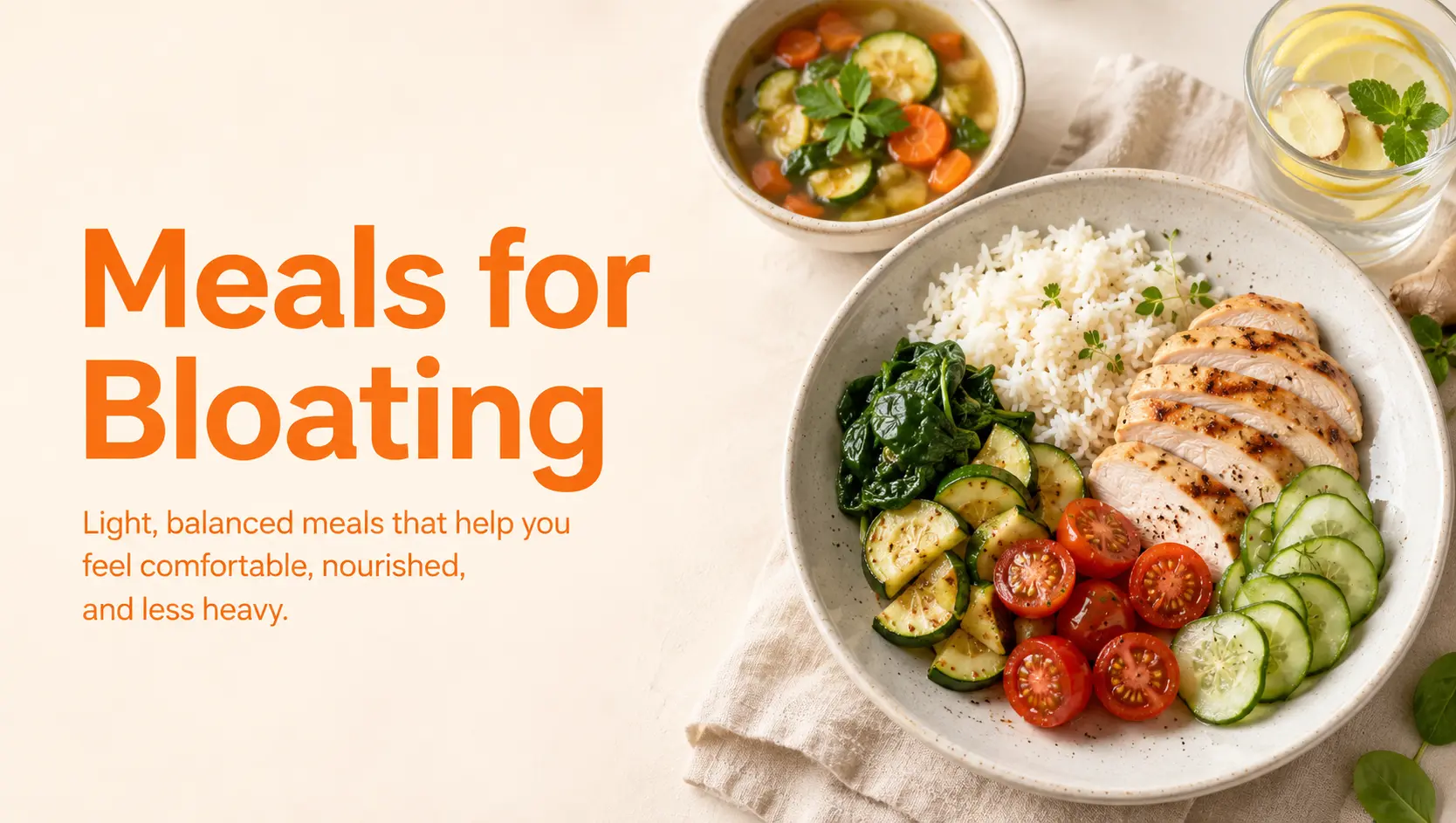
Meals for Bloating and Acid Reflux
Related Blogs
Breast Cancer Awareness Month
The No Refined Sugar Meal Plan
Delicut Introduces New Arabic Dishes to Its Menu
1,000 Calories vs 1,500 Calories: What's the right range for your body?
Metabolism Slowdown: The Signs Your Body Shows Before the Scale Does
The Relocation Weight Trap
Meal Plan Results First 30 Days
Weight Loss in the UAE
Structured Meal Planning
Meals for Bloating and Acid Reflux