
Popular Arabic Rice Dishes: From Kabsa to Majboos
Oct 14, 2026 | 8 min
Ask someone eating for a goal whether they've ordered Kabsa lately. The honest answer is usually no. Rice-based Arabic dishes get mentally grouped with takeaway pizza, the category of food you eat when you've decided the evening is a write-off.
That grouping doesn't hold up. Arabic rice dishes are built around protein, spice, and slow-cooked depth of flavour. The calorie load varies enormously based on how they're prepared and how much ends up on the plate. Get those right and the food works for pretty much any goal.
This goes through the most popular Arabic rice dishes, what determines their nutritional profile, and how they fit into different eating goals. The argument is fairly simple: the dish is usually fine. The preparation and portion are the levers.
1. What Makes an Arabic Rice Dish Healthy?
Before getting into specific dishes, it helps to understand what actually moves the nutritional needle on an Arabic rice meal. Four things, mostly.
Protein
Chicken, fish, and lean lamb are all common across these dishes. The protein portion determines how filling the meal is and how well it supports your goals after the meal.
Research published in Frontiers in Endocrinology found that dietary protein promotes satiety, increases energy expenditure, and helps maintain fat-free body mass during weight management. A generous protein portion in a rice dish is doing real work.
Rice portion
Rice brings carbohydrate, which is energy. How much ends up on the plate relative to the protein and vegetables is what changes the macro balance. A rice dish where protein is the main event reads very differently from one where rice is.
Added fats
Oil, ghee, and butter concentrate calories without adding much volume. A dish cooked with two tablespoons of ghee and the same dish cooked with four can taste similar and look similar on the plate. The calorie difference is real.
Vegetables and sides
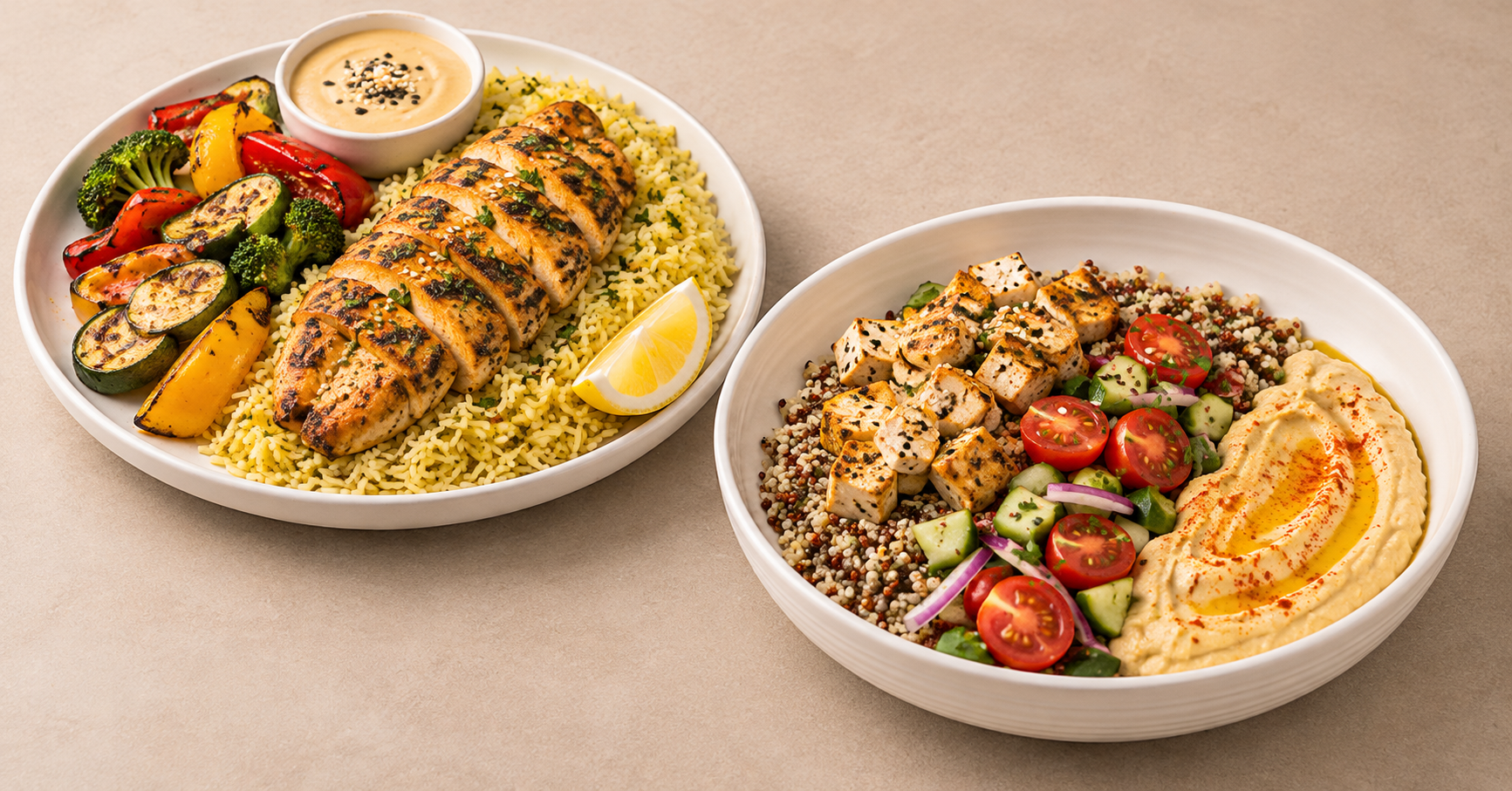
A side salad or grilled vegetables alongside any Arabic rice dish makes it more filling and more balanced. The overall plate changes without the main dish changing at all.
What makes a plate work or not work is the composition, and all four of these are adjustable.
2. Kabsa: A Balanced Classic When Prepared Right
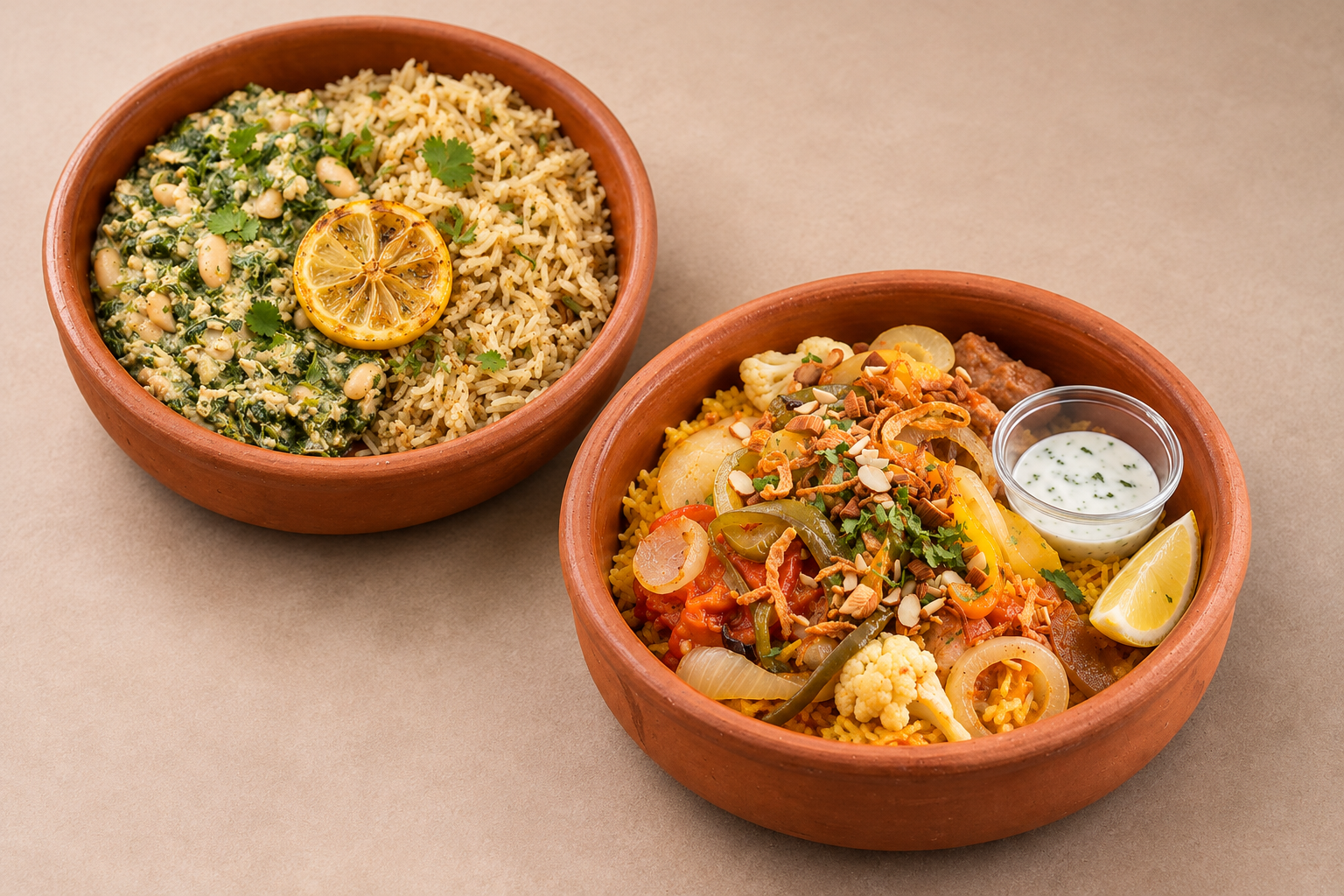
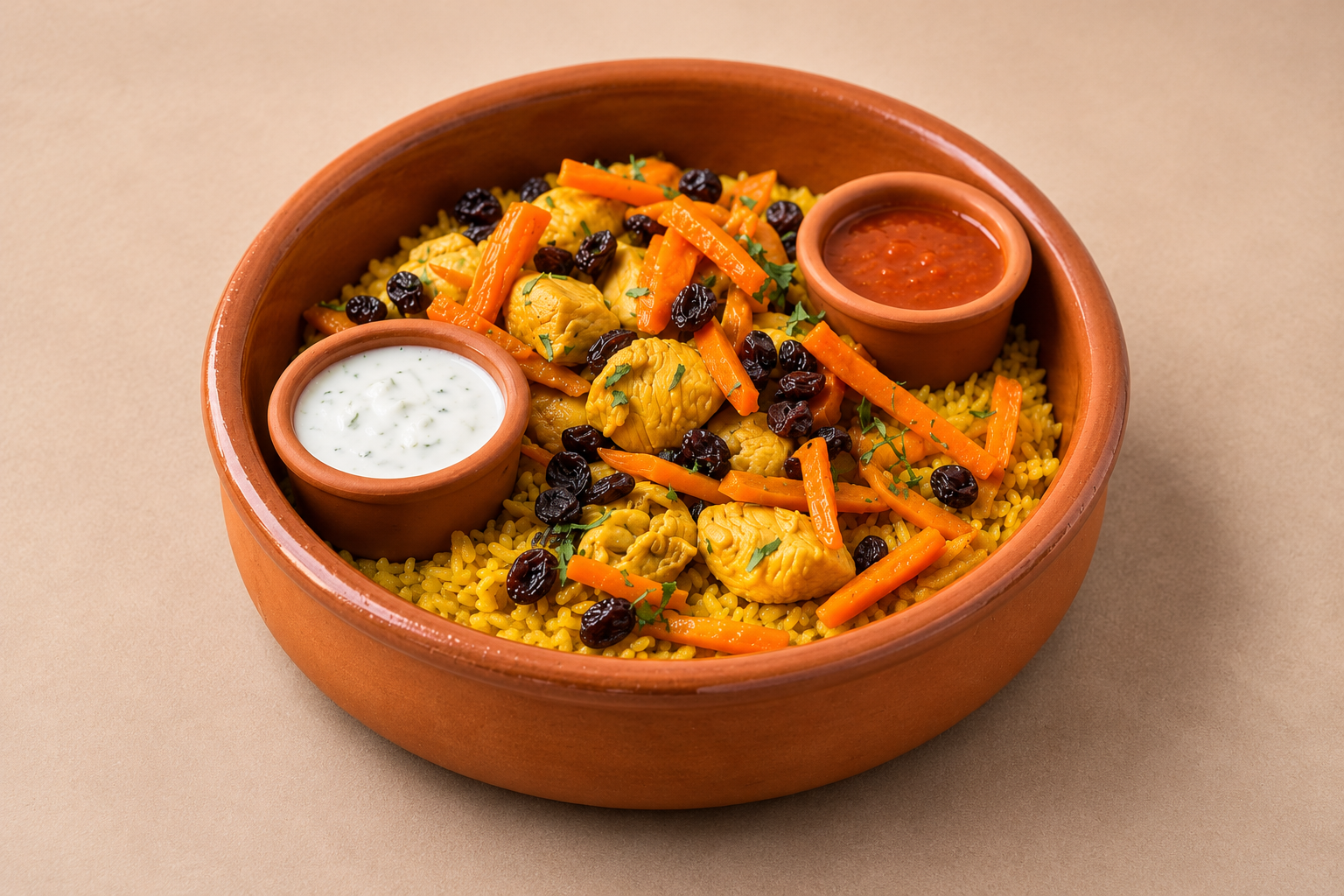
Kabsa is the Saudi national dish and one of the most widely eaten Arabic rice foods across the Gulf. Basmati rice slow-cooked in a spiced broth with chicken, lamb, or seafood, flavoured with cardamom, cinnamon, saffron, and loomi. The depth of flavour comes from the spice base and the cooking method, and those add essentially no calories.
What affects Kabsa's calories
Protein choice is the first variable. Skinless chicken produces a leaner meal than skin-on chicken, which produces a leaner meal than lamb shoulder. Amount of rice is the second. How much oil or ghee goes into the cooking base is the third. And then the portion.
All of these are adjustable without changing what the dish tastes like.
How to make Kabsa more macro-friendly
More lean protein, a measured rice portion, controlled oil in the cooking base, a vegetable side. The spices, the broth, the characteristic flavour of Kabsa, none of that needs to change. Skinless chicken Kabsa with a side salad is a genuinely solid meal for most goals.
3. Majboos: Big on Flavour, Not Necessarily Calories
Majboos is Kuwait and Bahrain's take on the same broad family of spiced rice and meat dishes. The cooking method is braising rather than slow-cooking in the Saudi style, and the spice profile leans into dried lime and specific spice combinations that give it a distinct character.
What makes Majboos healthier
Same adjustments as any Arabic rice dish. Lean chicken or fish over fattier cuts. A considered rice portion. Less added fat in the cooking liquid. Vegetables or salad alongside. The flavour of Majboos is coming from the spice base and the braising liquid, and both of those stay when you pull back on the oil.
Chicken vs fish vs lamb Majboos
|
Version |
Protein |
Typical Consideration |
|---|---|---|
|
Chicken |
High |
Choose lean, skinless cuts to keep fat lower |
|
Fish |
High |
Often the lighter option overall; lower fat |
|
Lamb |
High |
Can be higher in fat depending on cut; worth being intentional about portion |
Fish Majboos specifically is worth considering. Fish is naturally lower in fat, delivers high-quality protein, and holds up well in a braised rice dish without needing a rich cooking base to make it work. A well-made fish Majboos is often the most macro-efficient version of the dish.
4. Mandi: Can Smoky Rice Still Fit Your Goals?
Mandi gets reserved for occasions. Big family meals, celebrations, weekend cooking. That association is cultural and makes complete sense, but it also means people tend to mentally park Mandi in the same category as other occasion food, which doesn't do it any favours when thinking about how it fits a regular eating plan.
The cooking method is actually part of what works in Mandi's favour nutritionally. Traditional Mandi uses slow-roasting or pit-smoking, which builds deep flavour without relying on added oil the way a braised dish does. The smoke carries what oil would otherwise carry. That matters when you're looking at fat content across versions of similar dishes.
A smarter Mandi plate
Lean chicken, a measured rice portion, and some salad alongside. The spiced rice, the smoked meat, the characteristic aroma of Mandi, none of that changes. Portion and protein choice are the levers, same as always. Mandi works as a regular weeknight meal with the right assembly.
5. Sayadiyah: The Seafood Option
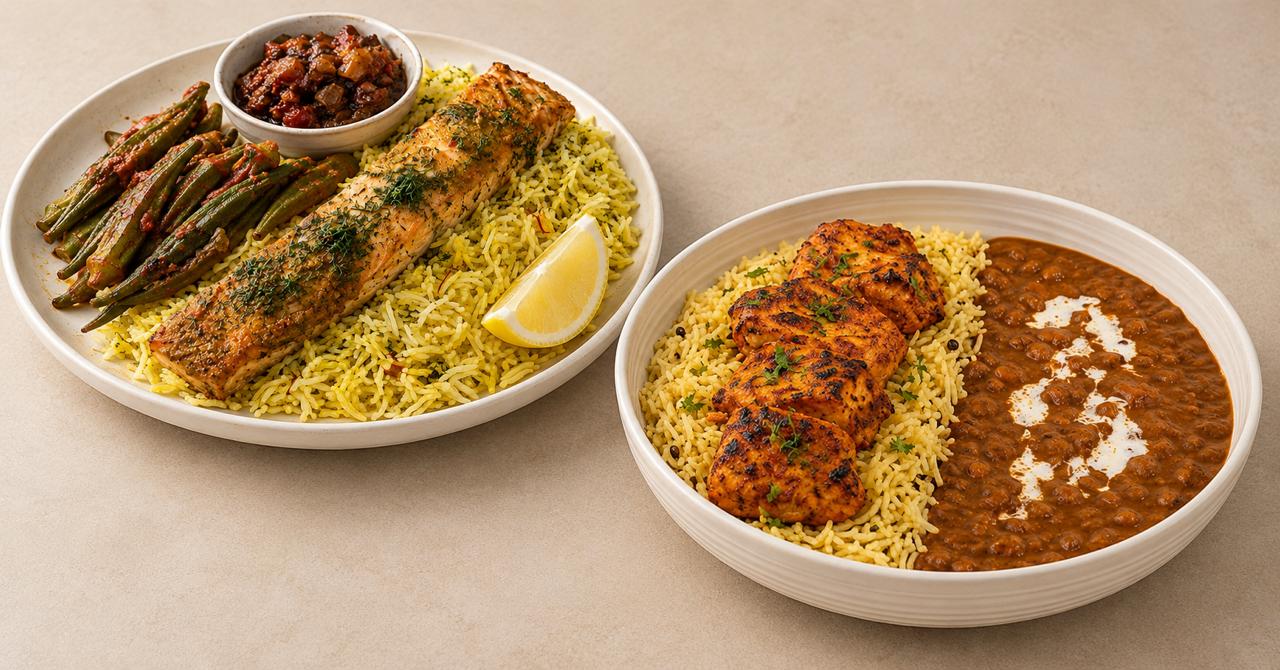
Sayadiyah is white fish braised in a spiced onion and tomato base, served over long-grain rice. Most associated with coastal Levantine and Gulf cooking. The caramelised onion base adds sweetness and depth; the fish sits on top of the rice and the cooking liquid absorbs into it.
Fish as the protein base is a big part of why Sayadiyah tends to suit health-focused eating well. High-quality protein, lower in fat than most meat cuts, and the dish is flavourful without requiring a heavy sauce. Pair it with a considered rice portion and a simple salad and you have one of the more straightforward Arabic rice options for someone watching calories or tracking macros.
6. Which Arabic Rice Dish Is Healthiest?
There's no clean answer to this, and ranking them is more misleading than helpful. A fish Majboos made with minimal added fat is a leaner meal than a lamb Kabsa with generous ghee. A lean chicken Mandi is comparable to a fish Sayadiyah depending on how each is assembled. The dish name tells you less than the preparation and the protein choice.
A general comparison by characteristics is more useful than a ranking.
|
Dish |
Protein Source |
Typical Fat Load |
Prep Method |
Carb Source |
|---|---|---|---|---|
|
Kabsa |
Chicken, lamb or seafood |
Moderate (oil + ghee) |
Slow-cooked in broth |
Basmati rice |
|
Majboos |
Chicken, fish or lamb |
Moderate (braising liquid) |
Braised |
Basmati rice |
|
Mandi |
Chicken or lamb |
Lower (smoke method, less oil) |
Smoked or pit-roasted |
Basmati rice |
|
Sayadiyah |
White fish |
Lower (fish-based) |
Braised fish over rice |
Long-grain rice |
The pattern is that Sayadiyah and Mandi tend toward the lower end of fat content compared to Kabsa and Majboos, but only when comparing similar versions of each. A generously oiled version of either dish outweighs a leanly prepared version of the other.
The most macro-friendly option is usually the same dish, prepared leaner and portioned more intentionally.
7. How to Make Arabic Rice Dishes Lower in Calories
Small adjustments, practically all of them in the assembly rather than in the recipe itself.
1. Reduce the rice, keep enough for the meal to work
Enough rice for energy and satisfaction. The protein and vegetables should be the main event on the plate. If rice is filling most of the bowl, the portion is probably larger than it needs to be.
2. Increase the protein portion
Lean chicken, fish, or trimmed lamb. More protein means the meal is more filling for longer, which tends to affect how much you eat throughout the rest of the day.
3. Watch the cooking fat
Oil and ghee are calorie-dense. Two tablespoons versus four in the cooking base can add up without changing the flavour dramatically. Small reductions here accumulate over multiple meals.
4. Add volume with vegetables
A side salad or grilled vegetables alongside makes the overall plate more filling without meaningfully changing the calorie count. The rice dish stays the rice dish; the plate becomes more balanced.
5. Account for sauces and toppings
Nuts and dried fruit on Kabsa or Mandi, tahini sauces, extra oil at serving. These add calories faster than most people expect. Worth noticing and accounting for rather than leaving out entirely.
8. How Arabic Rice Dishes Fit Different Goals
The same dish works differently depending on what you're trying to do. A few scenarios.
If you're trying to lose weight
Calorie control matters more than ingredient selection. Lean chicken Kabsa with a measured rice portion and a salad fits comfortably within a calorie deficit for most people. The goal is a well-structured plate, and Arabic rice dishes can be that.
If you're eating high-protein
Prioritise the protein portion of the meal and size the rice around your remaining calorie needs. Fish Majboos or lean chicken Mandi with a smaller rice base gives you a high-protein Arabic meal without leaving the cuisine behind.
If you're training regularly
Rice is a useful carbohydrate source around exercise. Basmati rice in particular is a straightforward way to fuel training or replenish after it. A post-training Kabsa or Mandi with a solid protein portion and a carbohydrate amount sized to your energy output is a sensible meal for someone who trains regularly.
If you're simply trying to eat more consistently
Balance the plate without overthinking it. A reasonable protein portion, a reasonable rice portion, some vegetables. Arabic rice dishes are well-suited to this kind of eating because the flavour is already built in. The food is interesting without adding anything artificial. Portion awareness is really the main thing.
9. Are Carbs Really the Problem?
This assumption probably stops more people from eating Arabic rice food than anything else. Rice means carbs, carbs cause weight gain, therefore rice dishes are off the table.
The carb-weight connection is a lot more complicated than that. Your body uses carbohydrates as its primary energy source. Rice has sustained enormous portions of the global population for centuries without being inherently problematic.
A systematic review published in Nutrients found that the success often attributed to low-carbohydrate diets is largely driven by their higher protein content rather than by removing carbohydrates. When low-carb diets work well, protein is doing most of the heavy lifting. Reducing carbs tends to matter mainly when it leads to eating more protein.
What matters is how much you eat relative to your energy needs. Rice as part of a balanced meal with adequate protein and vegetables, in a portion that suits your goals, is genuinely fine. The overall plate structure is what to focus on.
10. How Delicut Makes Arabic Favourites Fit Your Plan
Everything above is context. This is where it gets practical.
Delicut's Arabic rice dishes on the weekly rotating menu are built around the same principles the article has been describing: lean protein, measured rice portions, controlled cooking fat, recipes that stay as close to authentic as the adjustments allow. Kabsa, Machboos, Mandi are on the menu because they work within a plan when they're prepared and portioned correctly.
The goal was to make familiar Arabic food work for people eating with a goal in mind, and to do that without making the dishes taste like something else. A Yemeni Chicken Mandi on the Delicut menu tastes like Mandi. The portion is calibrated, the oil is controlled, the protein is lean. That's the intervention.
Available across the Balanced Plan (40 to 50% carbs, 20 to 25% protein, 25 to 30% fat) and the LCHP plan (20 to 30% carbs, 35 to 45% protein, 30 to 45% fat), fresh daily, delivered across the UAE. Full menu at delicut.ae.
FAQs
Q: Are Arabic rice dishes healthy?
Generally yes, and how they're prepared matters a lot. The protein is solid, the spice base adds flavour without adding calories, and the fat content varies based on cooking method and how much oil or ghee goes in. Portion size is the main variable for most people.
Q: Can I eat Kabsa while trying to lose weight?
Yes. Lean, skinless chicken Kabsa with a measured rice portion and a salad on the side fits within a calorie deficit for most people. The key is getting the protein portion right and being deliberate about how much rice goes on the plate. The dish itself works fine.
Q: Is Majboos high in calories?
It depends on the version. Fish Majboos typically comes out lighter than lamb. Chicken sits somewhere in between depending on the cut. The cooking liquid and added fat are the main variables. A leaner version of Majboos is achievable without changing what makes the dish good.
Q: Is Mandi healthy?
Mandi is actually one of the more favourable Arabic rice options in terms of fat content, because the smoking or slow-roasting method delivers flavour without relying on added oil the way braised dishes do. Portion size still matters, same as with anything else, but the preparation method gives Mandi a reasonable starting point.
Q: Is rice bad for weight loss?
No. Rice provides carbohydrates, which the body uses for energy. The research on low-carb diets consistently shows that when they work, it's primarily because they're higher in protein, and the protein is what drives the results. A measured rice portion as part of a well-structured meal is fine for most weight loss goals.
Q: Which Arabic rice dish is highest in protein?
It depends more on the protein choice than the dish name. Any Arabic rice dish made with a generous portion of lean chicken or fish will be high in protein. Sayadiyah (fish-based) and lean chicken versions of Kabsa, Majboos, or Mandi all offer solid protein profiles. The protein source matters more than which rice dish it's in.
Q: How can I make Arabic rice dishes healthier?
Lean protein, a measured rice portion, less oil or ghee in the cooking base, and a salad or grilled vegetables alongside. Watch the sauces and toppings too, since these can add a lot of calories without being particularly obvious about it. All of these are portion and quantity decisions, so the dish itself stays the same.
Q: Can Arabic food fit a high-protein diet?
Easily. Kabsa, Mandi, Majboos, Sayadiyah are all naturally protein-forward dishes. Prioritise the protein component of the meal, adjust the rice to fit your remaining calorie budget, and the macros work out. Arabic cuisine is built around meat and fish in a way that suits high-protein eating well.
Q: Is the food halal?
Yes. All dishes on the Delicut menu are halal.
Ready to Try?
Explore Delicut's rotating Arabic rice menu: chef-prepared, calorie-counted, portioned for your plan. Balanced and LCHP options available, fresh daily, delivered across the UAE. Start at delicut.ae.
Saja Davood
Nutritionist, Delicut
As a Registered Nutritionist with a degree in Food Nutrition and Dietetics, Saja brings over five years of hands-on experience. She designs personalised, science-backed nutrition plans to help manage conditions such as diabetes, hypertension, obesity, PCOS, and digestive disorders. Her approach centres on Medical Nutrition Therapy (MNT), using food and lifestyle adjustments to prevent and manage chronic diseases in a practical, sustainable way.
Related Blogs
Arabic Chicken Dishes: 5 Cooking Traditions
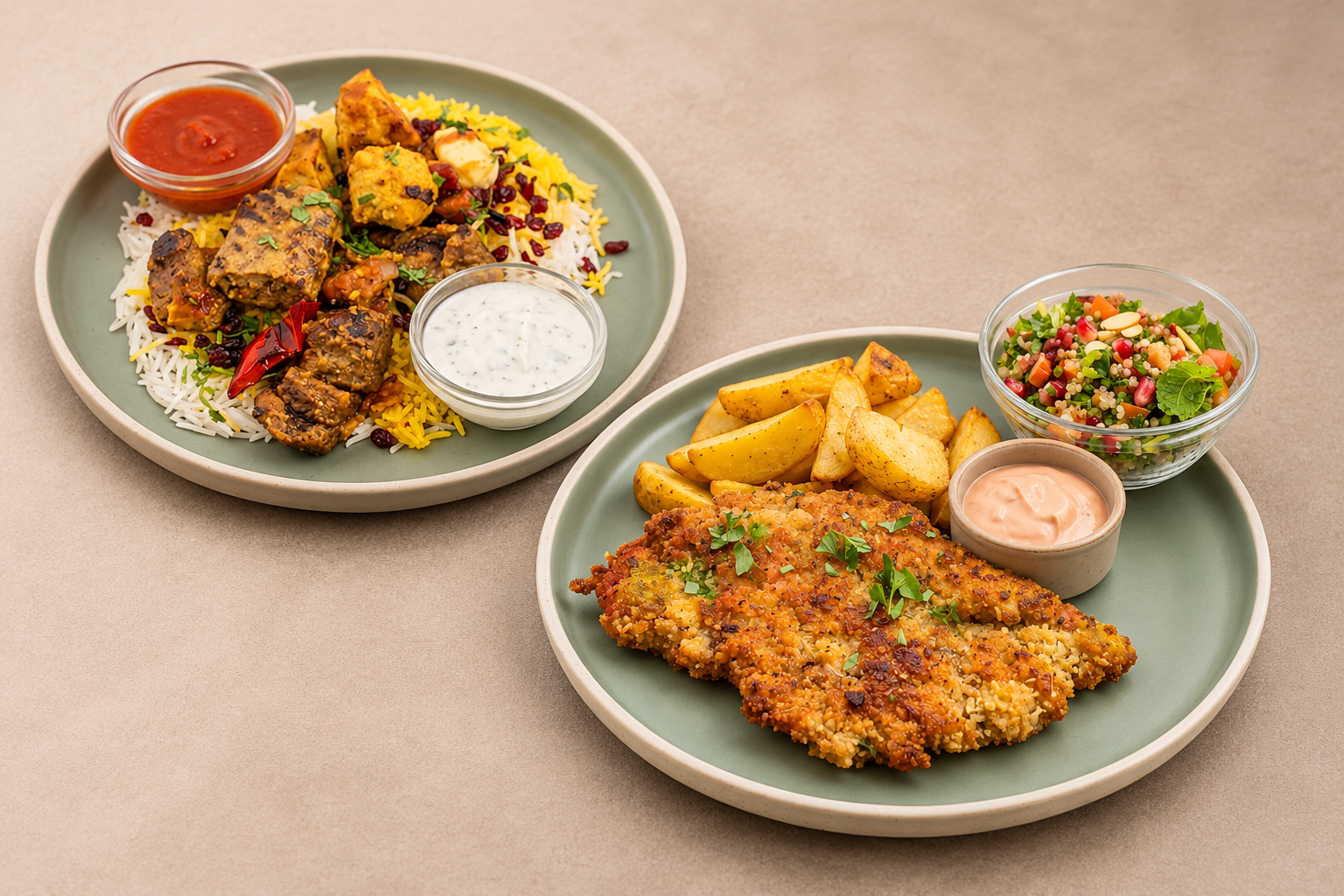
Arabian Dishes Names: A Guide to Delicut's Arabic Food Menu
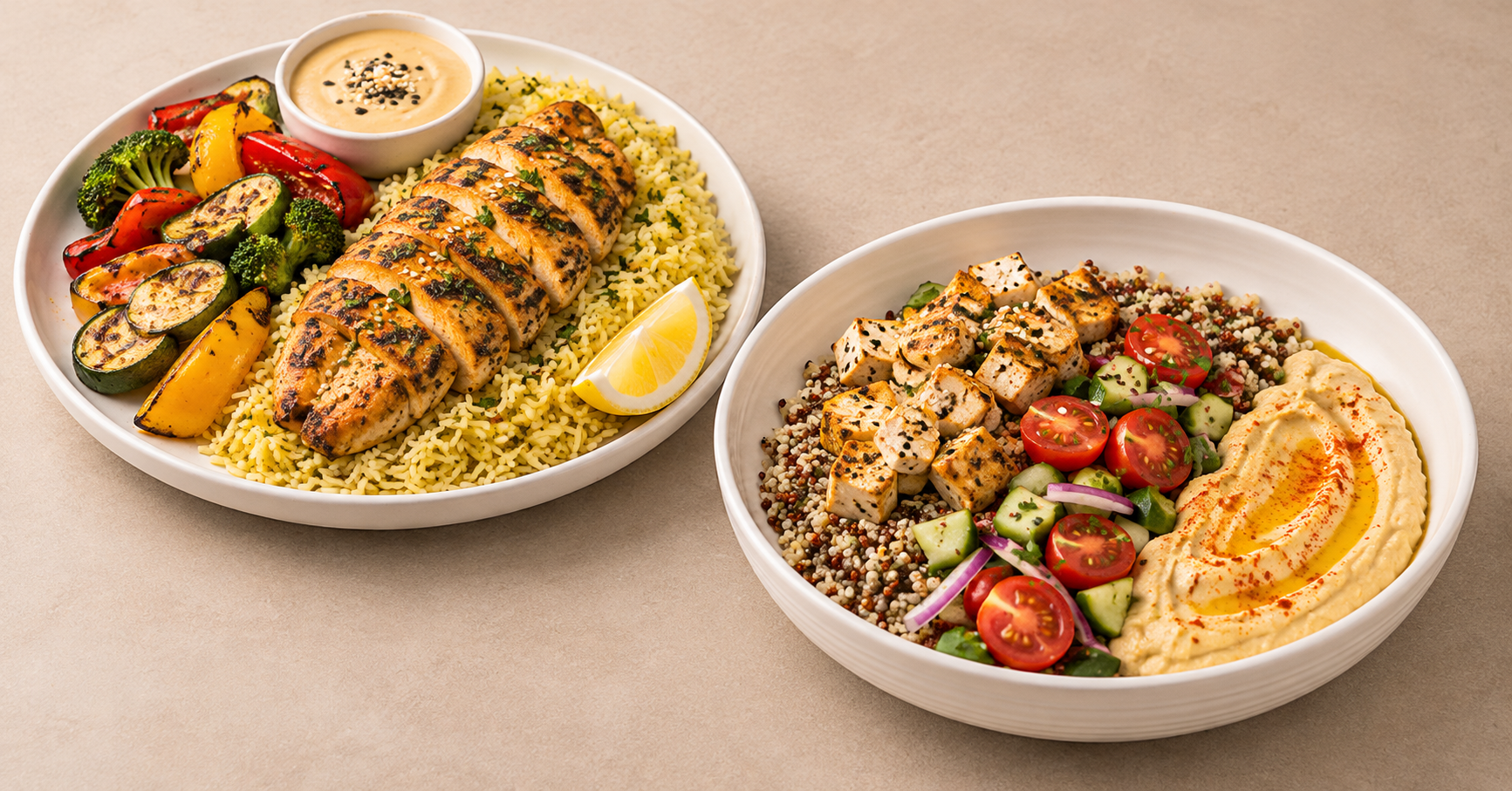
Popular Arabic Rice Dishes: From Kabsa to Majboos
Breast Cancer Awareness Month
The No Refined Sugar Meal Plan
Delicut Introduces New Arabic Dishes to Its Menu
1,000 Calories vs 1,500 Calories: What's the right range for your body?
Metabolism Slowdown: The Signs Your Body Shows Before the Scale Does
The Relocation Weight Trap
Meal Plan Results First 30 Days
Related Blogs
Arabic Chicken Dishes: 5 Cooking Traditions
Arabian Dishes Names: A Guide to Delicut's Arabic Food Menu
Popular Arabic Rice Dishes: From Kabsa to Majboos
Breast Cancer Awareness Month
The No Refined Sugar Meal Plan
Delicut Introduces New Arabic Dishes to Its Menu
1,000 Calories vs 1,500 Calories: What's the right range for your body?
Metabolism Slowdown: The Signs Your Body Shows Before the Scale Does
The Relocation Weight Trap
Meal Plan Results First 30 Days