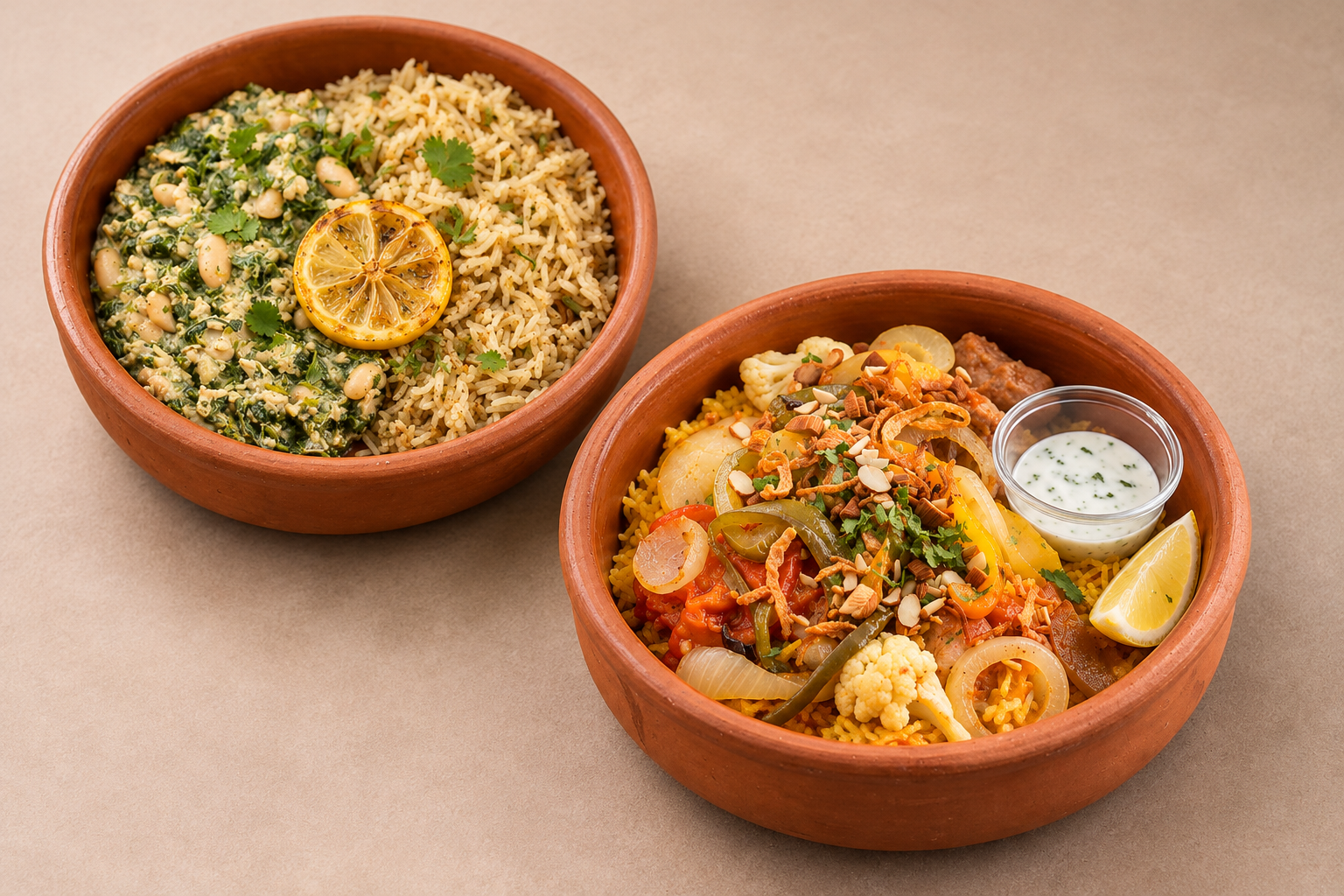

Arabic Chicken Dishes: 5 Cooking Traditions
Oct 29, 2026 | 8 min
Shawarma is not the category. It's one dish inside a category that has 13 entries on Delicut's Arabic menu alone. But search "arab chicken dish" and you'll get shawarma lists, halloumi wraps, and photo carousels that treat the whole region like one cuisine.
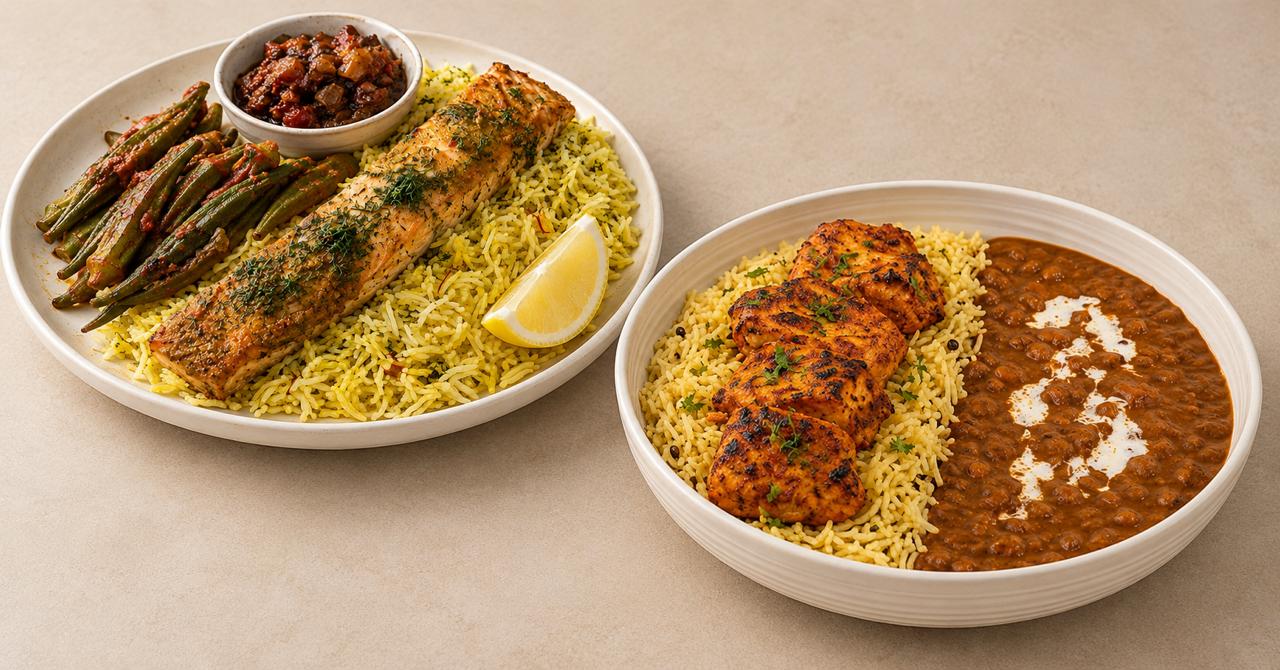
Arabic-speaking countries span the Gulf, the Levant, Yemen, North Africa. Each place has developed its own preparation logic, spice heritage, and relationship with chicken. Mandi is pit-smoked. Maqluba is flipped. Bukhari rice is fried before the liquid goes in. Musakhan sits on bread soaked in onion and sumac for hours. These aren't variations on a theme. They're different traditions that happen to share a protein.
Everything below is on Delicut's Arabic menu. All of it ships fresh, chef-prepared, to your door.
Arabic Chicken Dishes on Delicut's Menu
|
Dish |
Protein |
Flavour Profile |
Plan Fit |
|---|---|---|---|
|
Yemeni Chicken Mandi |
Chicken |
Smoky, slow-roasted depth |
Balanced / LCHP |
|
Chicken Maqluba |
Chicken |
Warm spice, aromatic |
Balanced |
|
Saudi-Style Chicken Bukhari Rice |
Chicken |
Nutty, slightly sweet |
Balanced |
|
Persian Style Chicken & Rice |
Chicken |
Saffron-forward, floral |
Balanced / LCHP |
|
Bulgur Pilaf with Chicken |
Chicken |
Light, herbal, textured |
LCHP / Balanced |
|
Levantine Zaatar Chicken & Couscous |
Chicken |
Herbal, tangy, clean |
Balanced / LCHP |
|
Zaatar Rice with Creamy Spinach Chicken |
Chicken |
Rich, herbal contrast |
Balanced |
|
Zaatar Chicken Escalope & Potato Wedges |
Chicken |
Crisp herb crust |
Balanced |
|
Authentic Middle Eastern Chicken Shawarma |
Chicken |
Spiced, marinated, bold |
Balanced / LCHP |
|
Turkish Chicken Doner |
Chicken |
Dense, savoury, yoghurt-adjacent |
LCHP / Balanced |
|
Lebanese-Style Chicken Musakhan & Pita |
Chicken |
Sumac-onion, rich, slow |
Balanced |
|
Creamy Tahini Chicken Fettuccine |
Chicken |
Nutty, coating, umami |
Balanced |
|
Persian One-Pot Mixed Grill |
Chicken, Lamb, Beef |
Layered, saffron-spiced |
LCHP / Balanced |
Arab Chicken Rice Dishes: Five Traditions, Five Very Different Plates
Rice is the base. That's where the similarity ends.
What most people assume: Arabic rice dishes are basically the same dish in different wrappers.
What's actually true: Mandi is built around a sealed underground tandoor. Maqluba is named for the flip that happens at the end. Persian rice brought saffron south. Bulgur skipped rice entirely. These five came from five different culinary histories, landed in different regions, and became distinct enough that someone who grew up eating one wouldn't mistake it for another.
Order Mandi one week and Maqluba the next and you're not eating the same thing. The cooking technique, the spice logic, the texture, nothing overlaps.
Yemeni Chicken Mandi
"Mandi" is the moisture that forms on meat when it slow-cooks in a sealed pit. The original Yemeni version uses an underground tandoor. The chicken sits suspended over the rice inside a sealed environment, and the fat and juices drip down as it cooks, which means the rice at the bottom is doing something completely different from rice cooked separately. The result isn't saucy. The flavour is in the technique, not a sauce layered over the top.
It takes hours and it’s not a complaint, it’s what matters.
Chicken Maqluba
The name literally means "upside down." The dish is cooked in a pot, rice, chicken, aromatics, and fried vegetables layered in a specific order, and at the end, the entire thing is inverted onto a serving platter. You lift the pot. If you did it right, the rice holds its shape with the chicken on top. If you didn't, you have a delicious pile.
The spicing is warm: turmeric, allspice, cinnamon. Not sharp. Not hot. Complex in the way that slow-cooked dishes with layered dry spices get complex when you leave them alone.
Saudi-Style Chicken Bukhari Rice
Bukhari comes from Bukhara, the city in Central Asia, now Uzbekistan. Saudi rice dishes didn't already have: frying the rice before the liquid is added. That step produces a slightly toasted, nutty base that white rice cooked in water doesn't get. Carrots are standard. Some versions add dried fruit. The chicken is roasted or braised and sits on top.
The subtlety is in what frying the raw rice first actually does to the dish. You can taste it.
Persian Style Chicken & Rice
Saffron is the whole argument here. Research published in Physiological Reports has documented the antioxidant and anti-inflammatory properties of saffron's active compounds, crocin, crocetin, safranal. But the reason saffron is in this dish isn't medicinal. It turns the rice deep gold and adds a floral quality that's impossible to replicate with anything else. The chicken is marinated and cooked together with the rice so they share the same liquid and the same flavour. What comes out is the colour and the smell before the taste even registers.
Bulgur Pilaf with Chicken
Not rice. That's the distinguishing fact. Bulgur is cracked wheat, it has more fibre than white rice, a lower glycaemic index, and a chewier, nuttier texture that holds up much better if you're meal prepping rather than eating immediately.
The preparation is straightforward: toast the grain, add broth, cook the chicken with it. Lighter than the rice-based dishes but not plain. If you've been avoiding the rice dishes on calorie or macro grounds and haven't tried this one, that's the gap worth closing.
For context: a 2023 review in Nutrients found that lean, unprocessed chicken as a primary protein source has "either beneficial or neutral effects on body weight and body composition."
Za'atar Chicken: One Herb Blend, Three Distinct Meals
Za'atar is a spice blend: dried thyme, oregano, sumac, sesame seeds, salt. Every Levantine kitchen has it. The question is how it's used, and the answer changes the dish completely.
Sumac, the berry that gives za'atar its sharpness. On Delicut's menu, za'atar chicken shows up three ways. They look related. They taste like different decisions.
Levantine Zaatar Chicken & Couscous
Za'atar as the rub. Couscous as the base. This is the cleanest version of the three, the herb crust is doing all the work, and the couscous underneath is neutral enough to let it. No sauce cutting across the za'atar. No richness competing with it. It reads clearly as Levantine: bright, herbal, a little sharp from the sumac, finished.
Zaatar Rice with Creamy Spinach Chicken
Same herb blend, opposite role. Here za'atar is in the rice, not on the chicken. The chicken goes into a creamy spinach sauce, rich, earthy, substantial. The za'atar in the rice acts as a counterweight to cut through that richness, not add to it.
The reason this works: you need something acidic or herbal under a cream-based protein to keep the plate from becoming one-note. Za'atar does that job. Two separate flavour logics running at the same time on the same plate. More interesting than either element alone.
Zaatar Chicken Escalope & Potato Wedges
Pounded flat, crumbed, cooked. The za'atar goes into the coating, which means you get herb flavour and texture at the same time, something the braised and marinated versions above can't deliver. The crust carries the seasoning here, not the sauce.
Most casual of the three. Recognisable format, escalope and wedges, with distinctly Arabic seasoning. If you have someone at the table who's uncertain about the rice dishes, this is the entry point.
Grilled and Wrapped Arabic Chicken: Shawarma, Doner, and the Dish That's Older Than Both
People use "shawarma" as the category name for everything in this section. It isn't. Shawarma, Turkish Doner, and Musakhan are three separate dishes from three separate traditions. They don't taste the same. They don't use the same preparation. They just all involve chicken and sometimes a piece of bread.
Authentic Middle Eastern Chicken Shawarma
The thing that defines shawarma isn't the spit. It's the marinade, and how long the chicken sits in it before cooking. You can make shawarma without a vertical rotisserie. You can't make it without the extended marination, the spice-and-acid mixture that has time to get past the surface of the meat and change its texture. The spice profile varies by region: some lean cumin and coriander, others allspice and cinnamon.
That's what gives shawarma its depth.
Turkish Chicken Doner
Doner and shawarma get confused because both traditionally use a vertical spit. But the doner is Turkish, the spice profile is different, the texture of the meat is denser, and the accompaniments typically go toward yoghurt rather than garlic sauce or tahini.
And historically, doner predates shawarma. The technique moved south through the Levant, picked up regional spicing along the way, and became a different dish. The original stayed Turkish.
Lebanese-Style Chicken Musakhan & Pita
The oldest of the three and the least talked says something about how food trends travel and not much about quality.
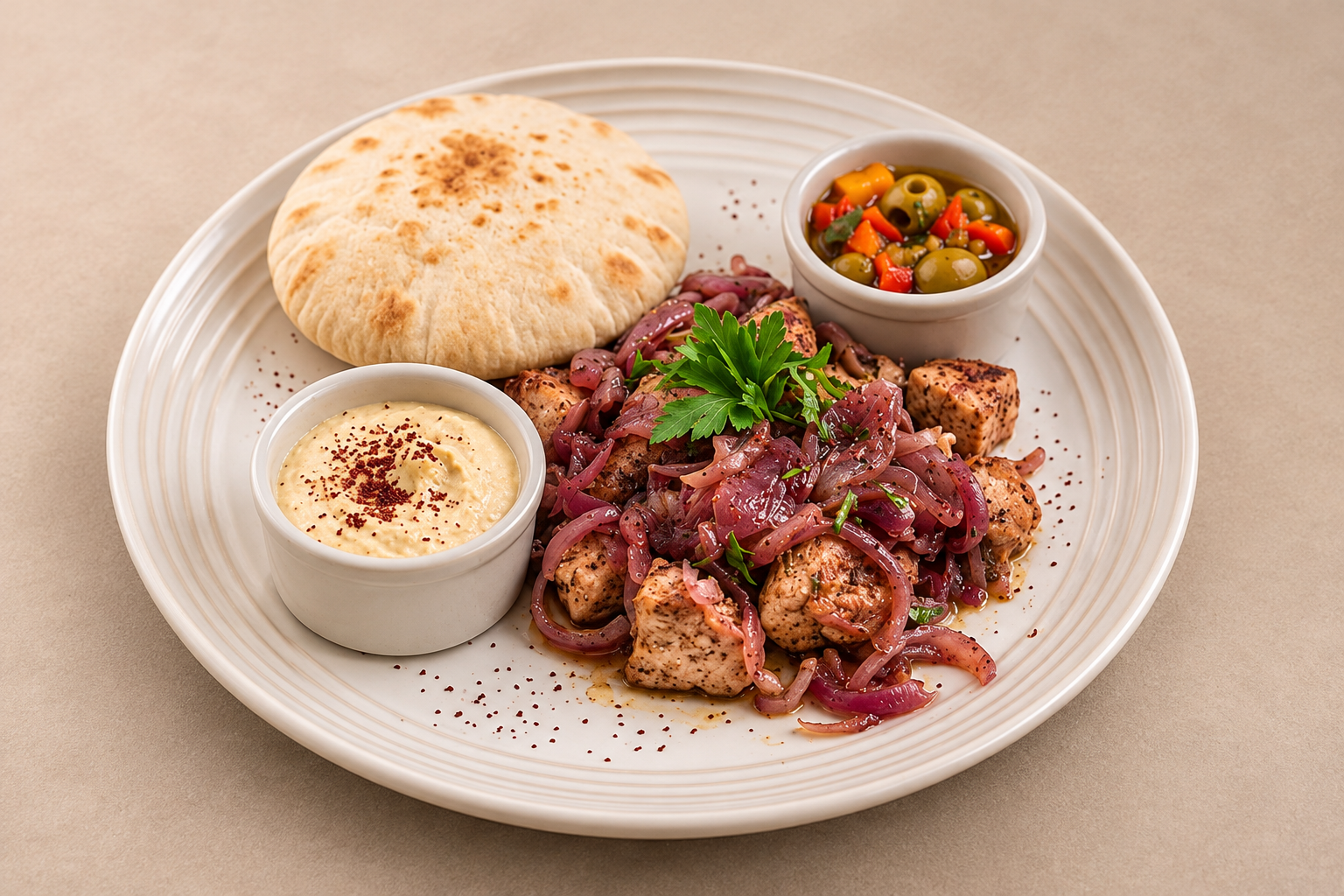
Musakhan is Palestinian. The preparation starts with onions, a lot of them, cooked down slowly with sumac until the sweetness and sourness hit the right balance. That takes time. The chicken roasts over those onions. The entire preparation goes onto flatbread taboon traditionally, pita here, so the bread absorbs the cooking juices from the bottom while the chicken sits on top. What you end up with has nothing in common with shawarma or doner. It's slower. More layered. Richer without being heavy.
Research published in Food & Function established that cooking method materially affects the fat and nutritional profile of chicken. Roasted preparations like Musakhan and marinated ones like shawarma, land differently from fried versions. Delicut's preparations are fresh and chef-controlled, not mass-produced or reheated.
If you've been ordering shawarma weekly and haven't tried Musakhan, that's a gap. It's been the default slow-chicken flatbread dish across Palestine and Jordan for centuries, and it's better than its name recognition suggests.
The Arabic Chicken Dishes That Don't Fit the Usual Categories
Two dishes on the menu don't sit neatly in any of the above groups. Both are worth ordering before you make assumptions about what Arabic chicken food looks like.
Creamy Tahini Chicken Fettuccine
The pasta surprises people. It shouldn't.
Tahini ground sesame paste is a core ingredient. It goes into hummus, dressings, desserts, and sauces across the region. Using it as a pasta coating isn't a departure from the tradition; it's a natural extension of how tahini already works in Levantine cooking.
Tahini coats pasta the way a cream sauce does, but with a nuttier, slightly bitter edge that cream doesn't have. The chicken anchors it, the protein weight and the creaminess of the tahini do the same job that a heavy European cream sauce tries to do, differently.
Persian One-Pot Mixed Grill
Chicken shares the plate with lamb and beef here, all prepared together with saffron and layered Persian spicing. The slow-cook depth is the same as in Persian Style Chicken & Rice. The mixed protein format is just a different kind of meal, more varied per serving, better for someone who wants the Persian Arabic chicken experience without committing to a single protein.,
How Delicut Brings All of This to One Menu
Finding fresh, calorie-tracked Arabic chicken across five cooking traditions is, in practice, a logistical problem. You'd need five different restaurants, some of which may not prepare these dishes fresh daily. Or you'd cook them yourself, which for Mandi or Musakhan means committing an afternoon.
Delicut's Balanced Plan rotates 50+ dishes weekly, and the Arabic chicken menu runs the full range above. Rice dishes from five traditions. Three za'atar preparations. Shawarma, Doner, Musakhan. Tahini pasta and the Persian mixed grill. Every dish has full macros in the app. For higher protein targets, the Low-Carb High-Protein plan uses the same kitchen and the same dishes with portions adjusted toward a better protein-to-carb ratio.
Not one Arabian chicken recipe on rotation. The whole category, delivered fresh across the UAE.
Browse the full menu at delicut.ae.
Key Takeaways
-
For protein tracking: across the rice-based Arabic chicken dishes, the chicken-to-grain ratio matters more than which dish you pick. Mandi, Maqluba, and Bukhari all deliver solid protein when the chicken portion is generous. The rice isn't the variable that undermines the meal. Proportion is.
- Za'atar contains sumac, and sumac has documented antioxidant compounds from its tannin fractions. That isn't a health claim about any single dish, but the herb blend that's been a daily staple for centuries is doing more than just tasting good.
- Musakhan is the most underrated Arabic chicken dish on almost any menu. Older than shawarma, more regionally specific, consistently overlooked because the name doesn't travel as well in food culture. Order it once before you draw conclusions about which Arabic chicken dishes are worth knowing.
Frequently Asked Questions
Is the Arabic chicken at Delicut halal?
Yes. All meat and poultry at Delicut is 100% halal-certified.
Which Arabic chicken dish at Delicut is highest in protein?
Protein content shifts with serving size and preparation. Dishes where the chicken-to-grain ratio is higher, Chicken Musakhan, Persian One-Pot Mixed Grill, Zaatar Chicken Escalope — tend to deliver more protein per portion than the rice-heavier preparations. Delicut lists full macros for every dish in the app, so you can check before you order rather than guessing.
Explore Delicut's Arabic chicken menu from Balanced and Low-Carb High-Protein options, delivered fresh across the UAE. Start at delicut.ae.
Saja Davood
Nutritionist, Delicut
As a Registered Nutritionist with a degree in Food Nutrition and Dietetics, Saja brings over five years of hands-on experience. She designs personalised, science-backed nutrition plans to help manage conditions such as diabetes, hypertension, obesity, PCOS, and digestive disorders. Her approach centres on Medical Nutrition Therapy (MNT), using food and lifestyle adjustments to prevent and manage chronic diseases in a practical, sustainable way.
Related Blogs
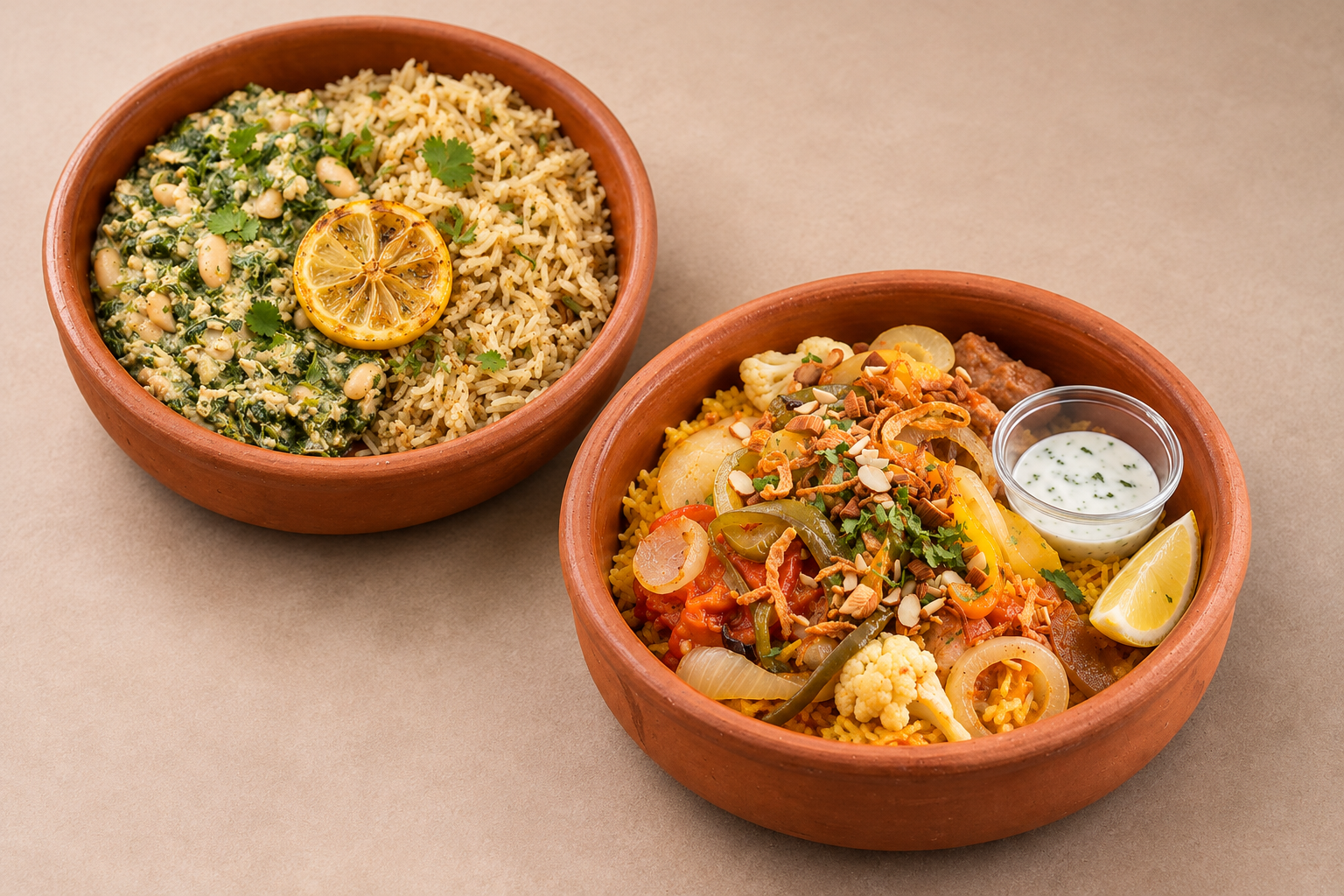
Arabic Chicken Dishes: 5 Cooking Traditions
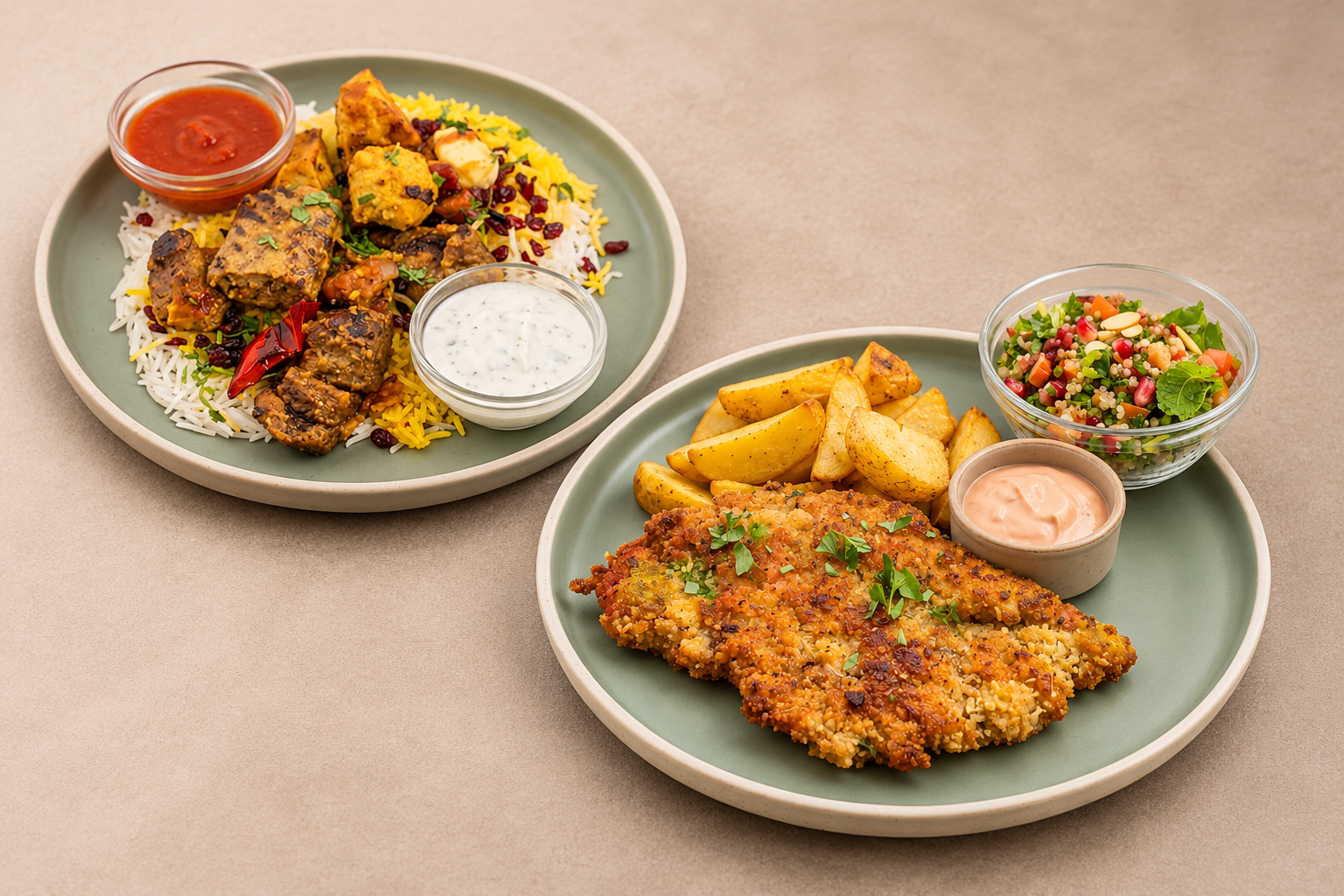
Arabian Dishes Names: A Guide to Delicut's Arabic Food Menu
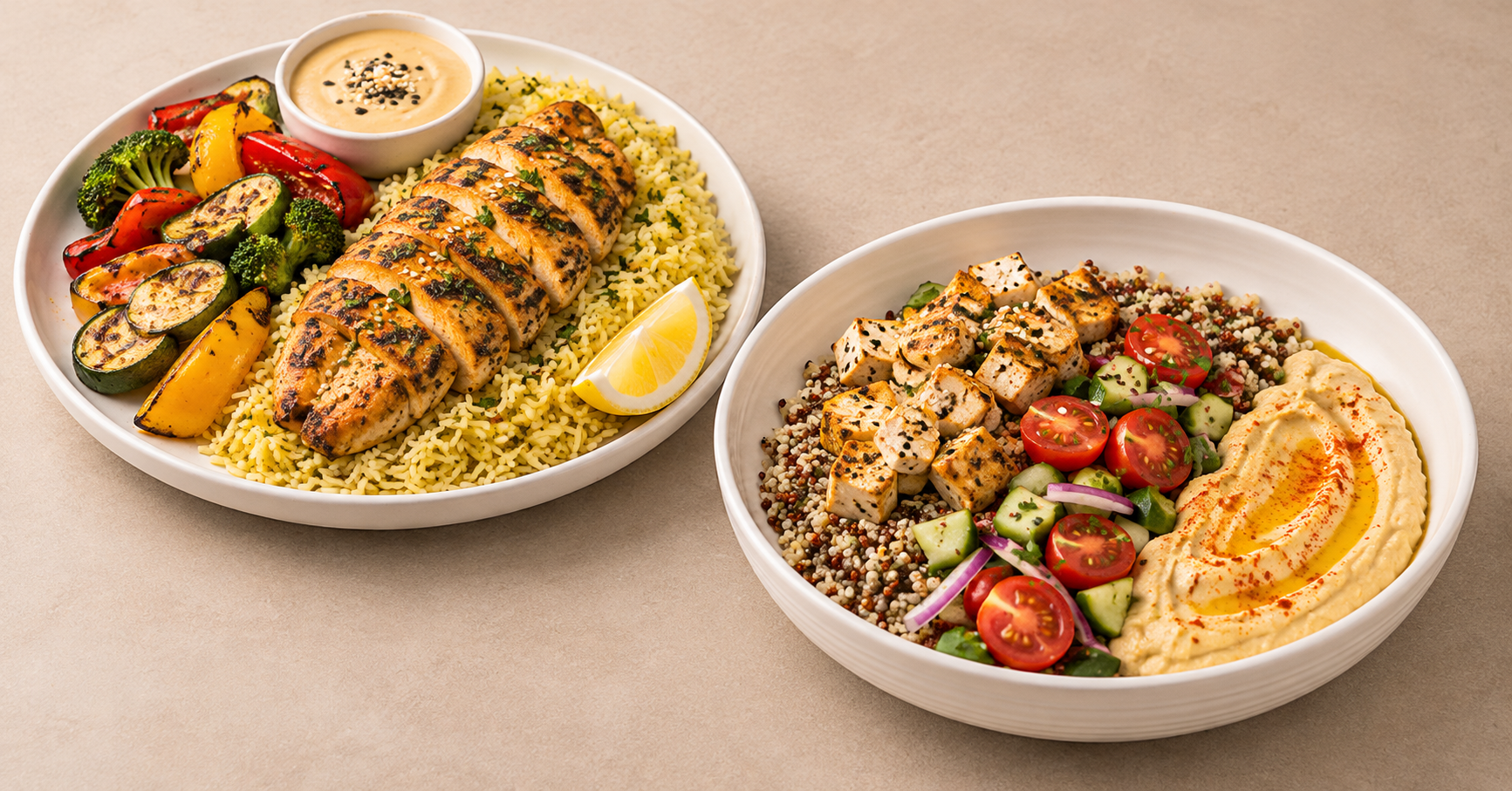
Popular Arabic Rice Dishes: From Kabsa to Majboos
Breast Cancer Awareness Month
The No Refined Sugar Meal Plan
Delicut Introduces New Arabic Dishes to Its Menu
1,000 Calories vs 1,500 Calories: What's the right range for your body?
Metabolism Slowdown: The Signs Your Body Shows Before the Scale Does
The Relocation Weight Trap
Meal Plan Results First 30 Days
Related Blogs
Arabic Chicken Dishes: 5 Cooking Traditions
Arabian Dishes Names: A Guide to Delicut's Arabic Food Menu
Popular Arabic Rice Dishes: From Kabsa to Majboos
Breast Cancer Awareness Month
The No Refined Sugar Meal Plan
Delicut Introduces New Arabic Dishes to Its Menu
1,000 Calories vs 1,500 Calories: What's the right range for your body?
Metabolism Slowdown: The Signs Your Body Shows Before the Scale Does
The Relocation Weight Trap
Meal Plan Results First 30 Days