Pescatarian Diet Plan for Balanced Eating

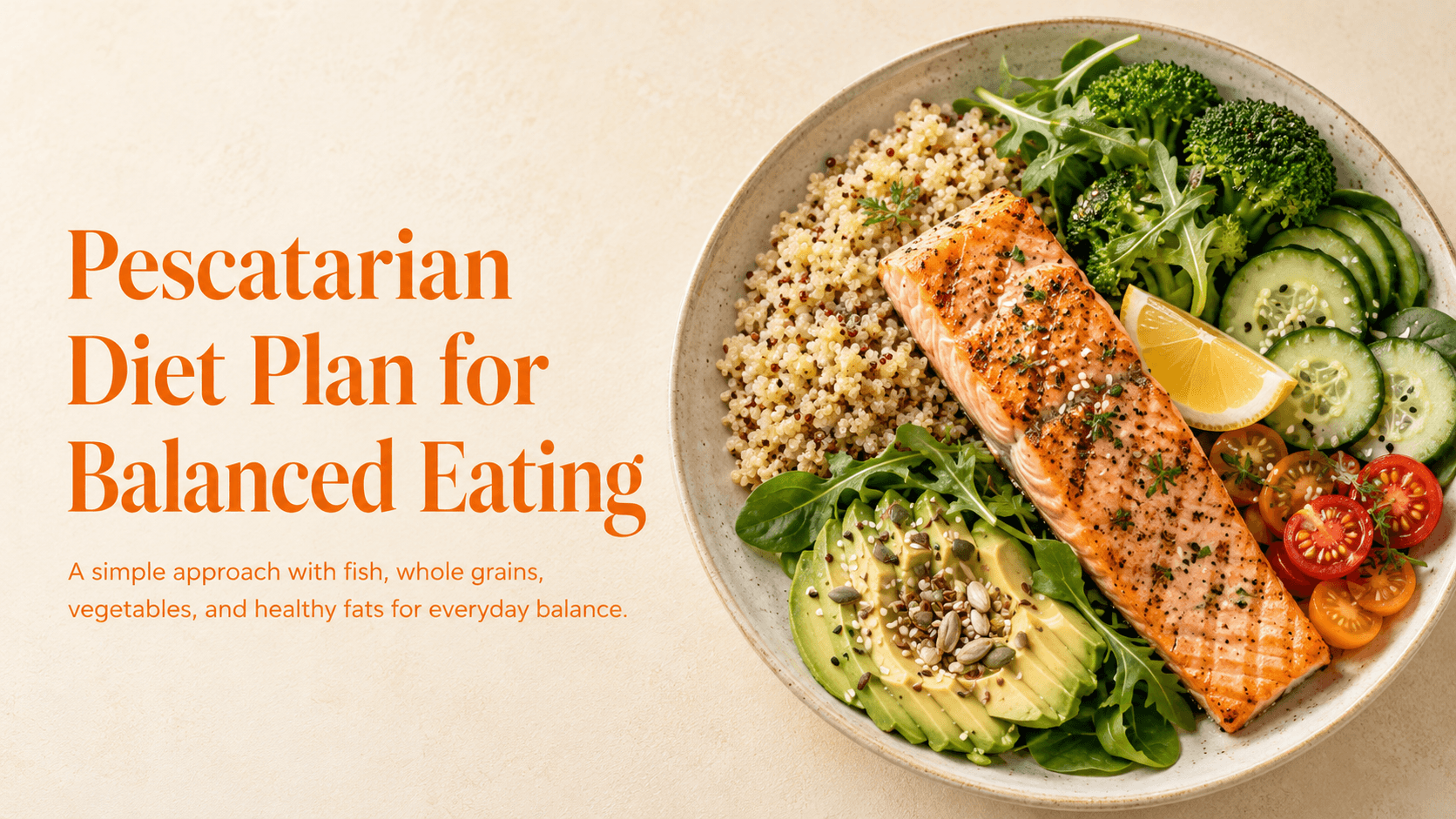
The research on pescatarian eating is genuinely good. The health outcomes are real. But they're associated with specific dietary patterns, not the category itself. This article covers the three nutritional variables, omega-3 frequency, iron absorption, and B12, that determine whether a pescatarian diet plan delivers on what the research promises or just avoids red meat.
The research on pescatarian eating is actually good. Reduced cardiovascular risk, better inflammatory markers, longer healthy life expectancy. These associations exist and they're well-documented. The catch is that they're built on studies of people who eat fish consistently and structure their nutrition around it intentionally.
Call yourself pescatarian, eat fish on a Friday, and fill the rest of the week with pasta and whatever's convenient, and you're not running the diet the research is about. The label and the dietary pattern that produces the outcomes are different things. A pescatarian diet plan that actually delivers balanced eating requires active management of three specific variables most people don't track.
Omega-3s Require Actual Fish. Not the Absence of Meat.
The cardiovascular and anti-inflammatory benefits most closely associated with pescatarian eating come from EPA and DHA, the long-chain omega-3 fatty acids found primarily in oily fish. Mackerel, sardines, salmon, herring. These are the compounds behind the health outcomes in the literature.
The workaround most people reach for is plant-based omega-3 from walnuts, flaxseed, and chia. These contain ALA, a precursor the body converts to EPA and DHA. Research on omega-3 fatty acid sources and bioavailability puts the conversion rate somewhere between 5 and 15% in most adults. Eating an impractical daily volume of flaxseed still doesn't replicate what two portions of salmon deliver. Plant sources aren't a substitute. They're a supplement at best.
Most pescatarians eat fish once or twice a week. Better than none, but it doesn't sustain the tissue concentrations the research tracks. Oily fish needs to appear at meals several times per week for the omega-3 benefit to be real rather than approximate. That's a dietary frequency target, not a vague guideline, and most pescatarian meal plans don't build around it.
Iron: The Gap Between What the Label Says and What Gets Absorbed
Haem iron from fish absorbs at 15 to 35%. Non-haem iron from plant sources, lentils, spinach, fortified grains, absorbs at 2 to 20% under good conditions and often less. Those aren't similar numbers. They're not interchangeable sources of the same nutrient.
Research on predicting dietary iron absorption makes clear that the plant iron sources most people rely on require specific conditions to absorb at the higher end of their range. Most pescatarians check the iron content on a food label and assume they're covered. They're measuring input. Absorption is a different calculation.
The pescatarians most likely to develop low iron are the ones eating fish infrequently and relying on plant sources for most of their intake. Two practical fixes: pair plant iron sources with vitamin C at the same meal (it meaningfully improves non-haem absorption), and keep fish frequent enough that haem iron is actually contributing. A balanced pescatarian diet treats these as structural requirements, not optional optimisations.
B12 Depletes Slowly. That's Exactly Why It Gets Missed.
B12 exists almost exclusively in animal products. Fish, eggs, dairy. For a pescatarian eating fish regularly and consuming eggs or dairy alongside it, B12 coverage is usually fine. For someone eating fish once or twice a week with minimal other animal products, the intake-to-depletion maths gets concerning over time.
The body stores B12 for months to a few years, which sounds reassuring until you realise it means deficiency builds quietly and is often well-established before it appears in bloodwork. Early signs are vague, tiredness, some cognitive slowness, and easy to attribute to other things. By the time it shows up clearly, stores have been depleting for a while. Eating patterns that support consistent B12 intake matter precisely because the lag between inadequate intake and noticeable symptoms is so long.
The answer isn't complicated. Regular oily fish, eggs, dairy if consumed, or a straightforward B12 supplement for anyone whose fish intake is genuinely infrequent. The point is that 'I eat fish' doesn't mean B12 is covered without knowing how often fish is actually appearing. A properly structured pescatarian diet plan builds B12 sources into the daily pattern rather than assuming the occasional fish dinner handles it.
The diet is good. The structure is what makes it deliver.
Delicut's Build Your Own Plan lets you configure your meals around a diet plan that actually hits the variables: fish frequency for omega-3 and B12 coverage, meals structured around haem iron alongside plant sources, protein-anchored across the day. Start building your plan here.
Key Takeaways
Omega-3 benefits require oily fish multiple times per week, not just the pescatarian label. Plant omega-3 sources convert poorly and don't substitute for EPA and DHA from fish at any practical intake level.
Iron from plant sources absorbs at a fraction of the rate of haem iron. Pairing plant iron with vitamin C at each meal and keeping fish frequent are the two structural moves that actually close the gap.
B12 depletes slowly, which means it's easy to underestimate. Regular fish, eggs, or dairy are the coverage in a balanced pescatarian diet. If fish is infrequent, supplementation is the straightforward answer rather than hoping the stores hold.
FAQs
Q: How often do I actually need to eat fish for a pescatarian diet to deliver its health benefits?
Most omega-3 research points to at least two to three portions of oily fish per week for meaningful EPA and DHA levels. Pescatarians eating fish once a week or less are nutritionally much closer to vegetarians, which is a valid dietary approach but a different one from what the cardiovascular and inflammatory outcome research is tracking.
Q: Can I get enough B12 from eggs and dairy without eating fish regularly?
Yes, if intake is consistent and sufficient. Eggs and dairy both contain B12 in meaningful amounts. The concern is pescatarians who eat fish infrequently and also limit eggs and dairy. That combination creates a genuine B12 access problem over the long term. Supplementation is a clean, low-effort solution for anyone in that position.
Q: I eat a lot of lentils and leafy greens. Is my iron intake okay?
Total intake from those sources can look reasonable on paper. Absorption is the real variable. Adding a vitamin C source to legume and leafy green meals, bell pepper, citrus, tomatoes, noticeably improves how much non-haem iron actually gets absorbed. Regular fish alongside that covers haem iron. Both together is what a well-structured pescatarian diet plan builds around.
Saja Davood
Nutritionist, Delicut
As a Registered Nutritionist with a degree in Food Nutrition and Dietetics, Saja brings over five years of hands-on experience. She designs personalised, science-backed nutrition plans to help manage conditions such as diabetes, hypertension, obesity, PCOS, and digestive disorders. Her approach centres on Medical Nutrition Therapy (MNT), using food and lifestyle adjustments to prevent and manage chronic diseases in a practical, sustainable way.

Related Blogs
1700 Calorie Meal Plan for Fat Loss
May 13, 2026 | 8
Pescatarian Diet Plan for Balanced Eating
May 11, 2026 | 8
800 Calorie Meal Plan: Risks and Realities You Need to Know
May 8, 2026 | 8
1600 Calorie Meal Plan for Steady Weight Loss
May 7, 2026 | 8
1800 Calorie Meal Plan for Fat Loss: Why the Number Isn't the Whole Story
May 5, 2026 |
Diet Plan to Lose Belly Fat Naturally: What Clean Eating Gets Wrong
May 4, 2026 | 8
7-Day Gestational Diabetes Meal Plan: The Structure That Actually Stabilises Blood Sugar
May 11, 2026 | 8
Late Night Cravings in Dubai
Apr 30, 2026 | 8
Meal Prep Myth: Why Most People Can't Stick to It
Apr 28, 2026 | 8
Detox Diet Plan: Do You Really Need One?
Apr 27, 2026 |