1800 Calorie Meal Plan for Fat Loss: Why the Number Isn't the Whole Story

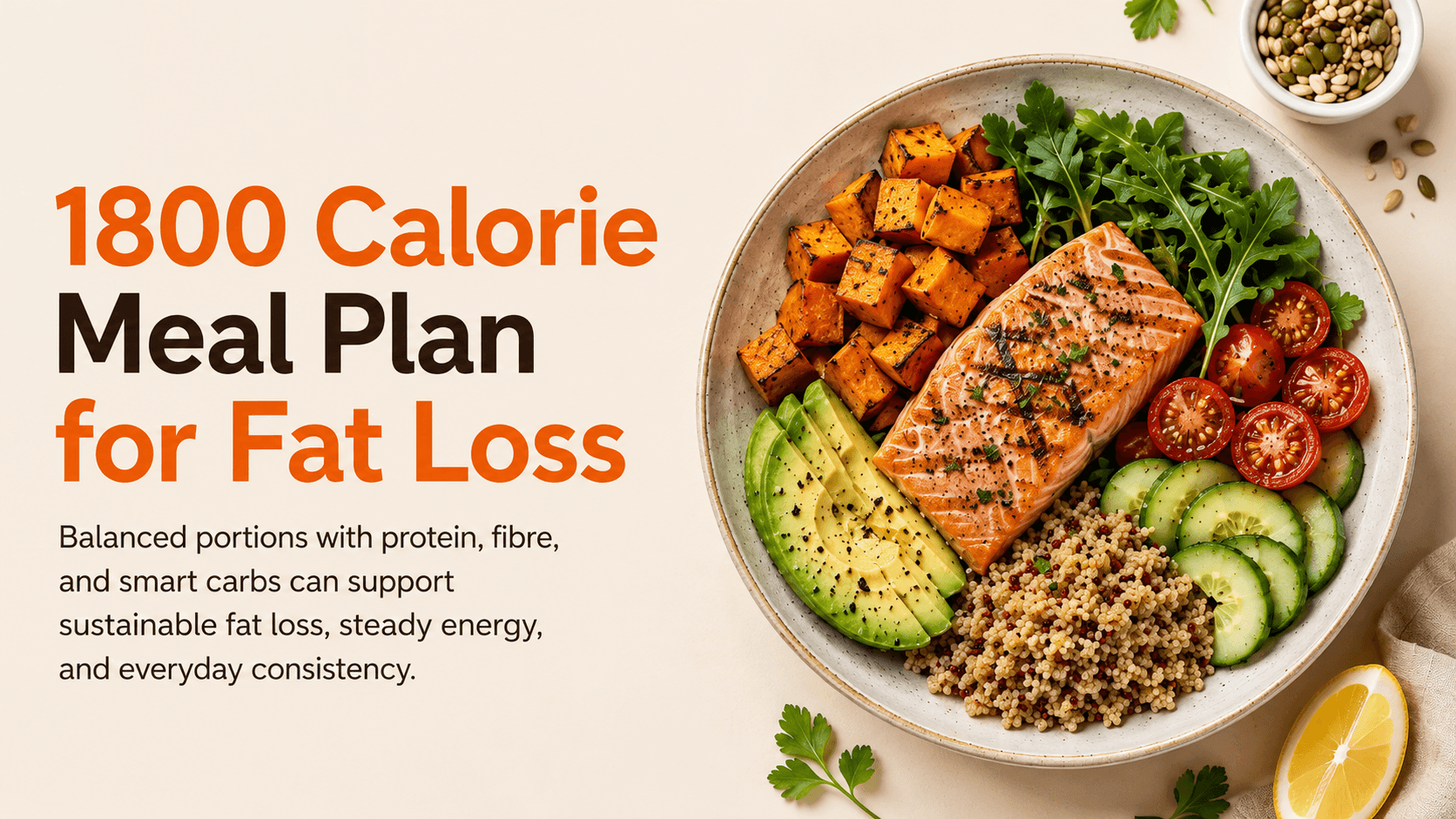
Hitting 1800 calories and not seeing fat loss isn't a metabolism problem. It's a distribution problem. This article explains why protein timing within a calorie meal plan determines whether a deficit burns fat or muscle, and what a 1800 calorie meal plan structured for actual fat loss looks like.
1800 Calorie Meal Plan for Fat Loss: Why the Number Isn't the Whole Story
1800 calories. You're tracking, you're hitting it most days, and the scale isn't moving the way it should. At some point you start wondering if the target is wrong or if your metabolism has just decided to stop cooperating.
It's probably neither. Research on fat loss outcomes shows that total daily calories is one variable. How those calories are timed and where the protein lands across the day is another, and that second variable is what most 1800 calorie meal plans never address.
The Number Is Right. The Distribution Is Off.
Most people who track to 1800 calories end up eating something like 250 calories before noon and 1100 after 7pm. Breakfast is small or skipped entirely. Lunch is easy to deprioritise when work is busy. Dinner is where the day's food lands, often with snacking that runs past what was planned.
That pattern keeps blood sugar unstable through the day, lets hunger build until it's difficult to manage at night, and means the body is spending most of its waking hours without consistent fuel. The 1800 calorie target is being hit. But the eating rhythm is working against fat loss, not with it. Research on protein distribution and 24-hour muscle protein synthesis shows that spreading the same total calories across more frequent, protein-anchored meals produces meaningfully different body composition outcomes, even when the daily number is identical.
Same calories. Different structure. Different results. That's the part most tracking apps don't show you.
Where the Protein Lands Determines Whether You Lose Fat or Muscle
In a calorie deficit, the body needs energy from somewhere beyond what it's eating. It can pull from fat stores or from muscle tissue. Which one it prioritises depends on protein availability at each meal, not just across the day.
Muscle protein synthesis has a threshold. Each meal needs roughly 30 to 40 grams of protein to trigger a meaningful response. If breakfast delivers 12 grams, lunch 18 grams, and dinner 80 grams, two of those three meals don't clear the threshold. The body is spending most of the day in net muscle breakdown, not fat oxidation. The evidence on protein intake and fat loss is consistent: adequate protein at each meal, not just in total, is what determines whether weight loss comes from fat or muscle.
This is why two people can eat identical 1800 calorie diets and have completely different results. One is losing fat and holding muscle. The other is losing muscle, which slowly drops metabolic rate, which stalls fat loss by week five even though the diet hasn't changed. The problem started at breakfast.
What a Structured 1800 Calorie Meal Plan for Fat Loss Actually Looks Like
The fix isn't a different calorie target. It's redistributing the day.
Breakfast is a real meal with a protein anchor, 30 grams minimum. Not coffee and a banana. Not skipping it because you're not hungry. A meal that registers. Lunch the same. By the time you've eaten two protein-anchored meals before 2pm, hunger through the afternoon becomes manageable rather than a countdown to dinner. Afternoon snack, protein-led, to bridge the gap. Dinner is the third main protein hit, not the first.
Complex carbohydrates timed around activity, earlier in the day when insulin sensitivity is higher and the body can use them for fuel rather than storage. Not eliminated. Timed.
A sustainable fat loss plan at 1800 calories structured this way keeps muscle intact through the deficit, which keeps metabolic rate from adapting downward as weight comes off. That's the part most diets miss. Losing weight and losing fat are not the same thing. Protecting muscle while in a deficit is what makes the difference between fat loss that holds and weight that comes back.
1800 calories is the number. How it's built is what matters.
Delicut's Performance Plan structures your 1800 calorie meal plan around protein distribution and macro balance, not just a calorie count. Each meal is designed to clear the protein threshold that protects muscle during a deficit. The fat loss that follows is real and it holds. See the Performance Plan here.
Key Takeaways
Total calories is one variable. Distribution is another. Hitting 1800 in two evening-heavy meals produces different fat loss results than spreading it across four or five protein-anchored ones. The target doesn't change. The structure does.
The deficit burns fat or muscle depending on where the protein lands. Daily protein totals matter less than whether each meal clears the threshold. Miss breakfast and lunch and the body spends the day breaking down muscle, not fat.
Plateaus at week five are usually a muscle loss problem, not a calorie problem. Protect muscle through the deficit and metabolic rate stays stable. That's what makes a 1800 calorie meal plan for sustainable fat loss actually sustainable.
FAQs
Q: Is 1800 calories actually a deficit for fat loss, or do I need to go lower?
For most adults it is, depending on height, weight, activity level, and sex. The specific number varies by individual and is worth calculating against your TDEE. What matters more than the exact figure is the structure within it. A well-built 1800 calorie plan outperforms a poorly-built 1500 calorie plan for body composition, because the lower number often sacrifices protein and triggers more muscle loss.
Q: How much protein should I actually be eating at 1800 calories?
A common target for fat loss with muscle preservation is 1.6 to 2.2 grams per kilogram of bodyweight. More important than hitting a daily total is distributing it: 30 to 40 grams at each main meal, protein-led snacks between. The threshold effect means spreading protein across the day matters as much as the overall number.
Q: Won't eating more frequently just make me hungrier throughout the day?
The opposite tends to happen when meals are protein-anchored. Long gaps between eating let hunger build to a point where evening portions are larger and harder to control. Frequent, protein-led eating keeps blood sugar more stable, which keeps hunger manageable. Most people find they're less hungry overall once the structure is right, not more.
Saja Davood
Nutritionist, Delicut
As a Registered Nutritionist with a degree in Food Nutrition and Dietetics, Saja brings over five years of hands-on experience. She designs personalised, science-backed nutrition plans to help manage conditions such as diabetes, hypertension, obesity, PCOS, and digestive disorders. Her approach centres on Medical Nutrition Therapy (MNT), using food and lifestyle adjustments to prevent and manage chronic diseases in a practical, sustainable way.

Related Blogs
1,000 Calories vs 1,500 Calories: What's the right range for your body?
May 27, 2026 | 8
Metabolism Slowdown: The Signs Your Body Shows Before the Scale Does
May 19, 2026 | 8
The Relocation Weight Trap
May 26, 2026 | 8
Meal Plan Results First 30 Days
May 25, 2026 | 8
Weight Loss in the UAE
May 25, 2026 | 8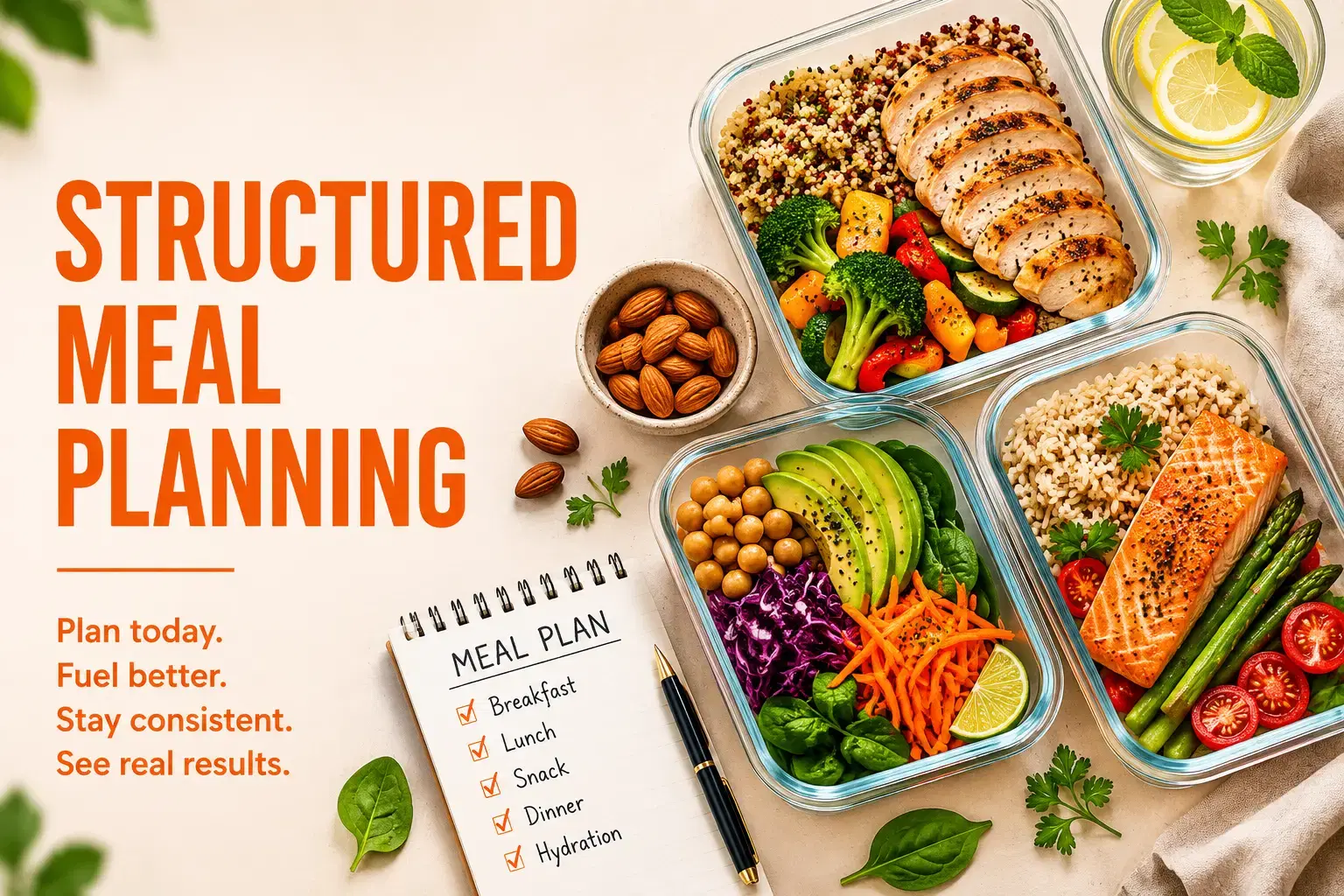
Structured Meal Planning
May 23, 2026 | 8
Meals for Bloating and Acid Reflux
May 21, 2026 | 8
Influencer Diet Culture: Why the Plan That Worked for Them Won't Work for You
May 21, 2026 | 8
Appetite Suppression: Why Coffee, Cigarettes, and Skipped Meals Make You Hungrier
May 18, 2026 |
Flat Stomach Diet Plan for Less Bloat
May 15, 2026 | 8