The mental load of “What should I eat today?"

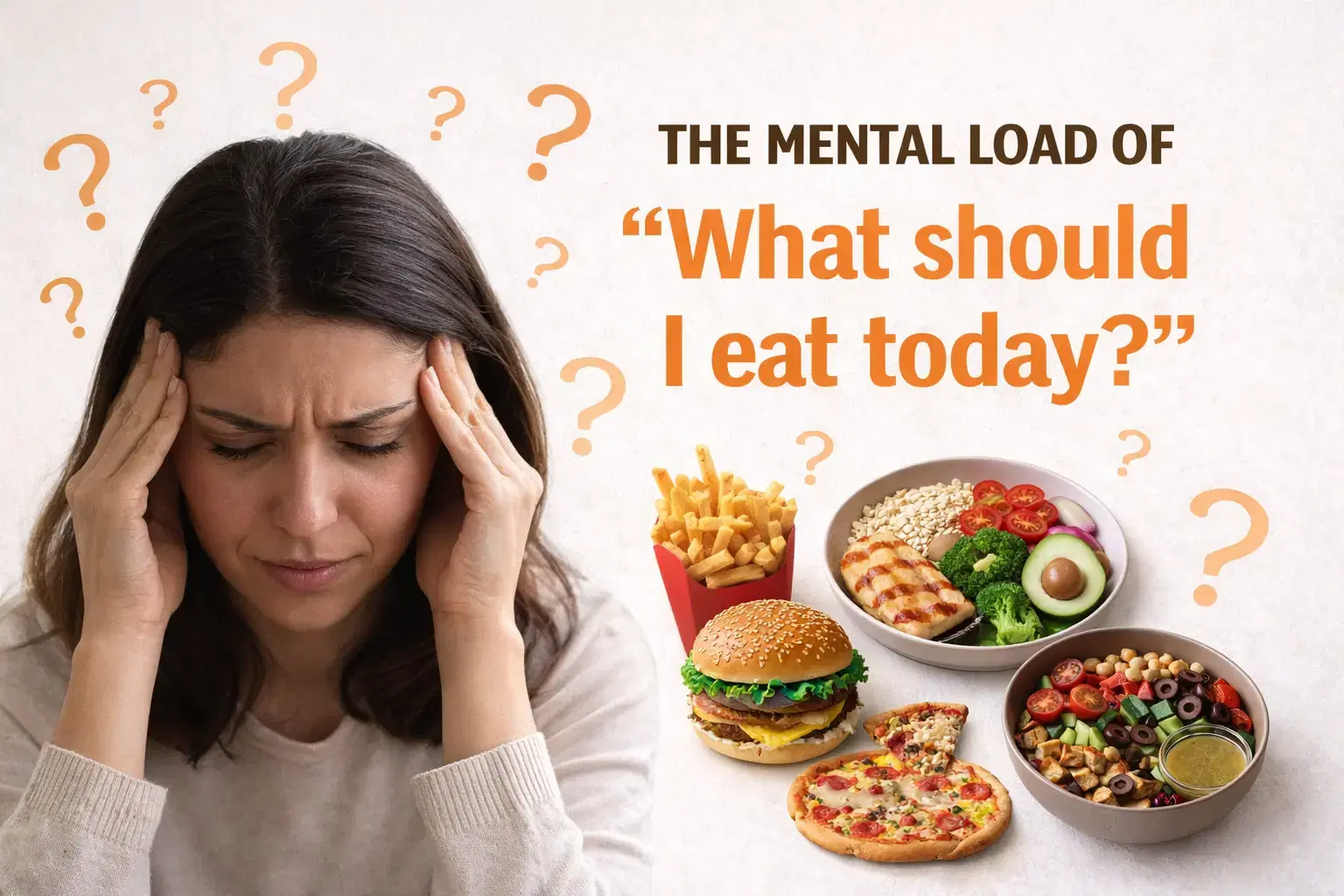
And how structured eating frees your brain
It’s a question most people ask themselves more often than they realise.
What should I eat today?
It sounds simple. Almost harmless. But repeated every day, multiple times a day, it quietly becomes one of the biggest drains on mental energy.
Breakfast. Lunch. Dinner. Snacks.
Pre workout. Post workout.
Something quick. Something healthy.
Something that fits your goals. Something you actually enjoy.
By the time food shows up on the plate, your brain has already worked overtime.
This constant thinking, choosing, adjusting, and second-guessing around food is what psychologists refer to as mental load. And for many people, especially those trying to eat well, it’s exhausting.
Why are food decisions so mentally draining?
Mental load is not just about effort. It’s about the ongoing responsibility.
Food decisions are uniquely demanding because they are:
- Frequent (you can’t opt out)
- Emotionally charged
- Linked to health, body image, and performance
- Shaped by time pressure and social situations
Unlike choosing what to wear or which route to take to work, food decisions come with perceived consequences. Eat “wrong” and guilt follows. Eat “right” and you still wonder if it was enough, too much, or poorly timed.
Research on decision fatigue suggests that making lots of decisions throughout the day can drain self-control. As mental energy drops, people are more likely to default to impulsive or convenience-driven choices later on.
Reviews published via the National Center for Biotechnology Information (NCBI) explain that sustained decision-making puts pressure on self-regulation systems, making it harder to stick to long-term goals, including when it comes to food.
When food decisions start draining your energy
When your brain is constantly managing food choices, there’s less mental space left for everything else. People often notice it showing up as:
- Feeling mentally cluttered
- Mindless snacking at night
- Overeating after a long day
- Losing motivation to cook or plan
- Feeling “off track” despite real effort
This isn’t a discipline problem. It’s a bandwidth problem.
The brain works best with systems. When there isn’t one, it defaults to convenience, cravings, and quick fixes.
How structured eating frees mental space?
When meals are structured, several things happen naturally.
 You stop negotiating with yourself
- You stop second guessing portions
- You stop compensating later in the day
- You stop feeling guilty after eating
- Your brain no longer needs to monitor food constantly.
Research on habit formation shows that when behaviours become automatic, they stop demanding so much mental energy. Studies reviewed by the National Center for Biotechnology Information (NCBI) explain that habits reduce the need for constant decision-making by turning repeated actions into automatic responses.
In simple terms, structure lets food run in the background, not your head.
Why does this matter more than calories or macros?
Most people focus on what they eat.
Very few stop to think about how much mental energy food is taking up.
But that mental load adds up.
When your brain isn’t constantly making food decisions, a few things tend to fall into place.
- You focus better at work.
- Your energy feels more consistent
- Your mood steadies
- Late-night cravings ease off.
- Sticking to your goals feels less like a fight.
Where does Delicut fit into this?
This is exactly the problem Delicut was built to solve.
Not just nutrition, but decision fatigue.
Delicut meal plans remove the daily question of what to eat, how much to eat, and whether it fits your goal.
- Meals arrive portioned properly
- Balanced for your goal
- Designed to sit well with your digestion.
So instead of thinking about food all day, you just eat when it’s time. And that mental space goes back to things that actually matter, like your work, training, family, recovery, and sleep.
Saja Davood
Nutritionist, Delicut
As a Registered Nutritionist with a degree in Food Nutrition and Dietetics, Saja brings over five years of hands-on experience. She designs personalised, science-backed nutrition plans to help manage conditions such as diabetes, hypertension, obesity, PCOS, and digestive disorders. Her approach centres on Medical Nutrition Therapy (MNT), using food and lifestyle adjustments to prevent and manage chronic diseases in a practical, sustainable way.

Related Blogs
1700 Calorie Meal Plan for Fat Loss
May 13, 2026 | 8
Pescatarian Diet Plan for Balanced Eating
May 11, 2026 | 8
800 Calorie Meal Plan: Risks and Realities You Need to Know
May 8, 2026 | 8
1600 Calorie Meal Plan for Steady Weight Loss
May 7, 2026 | 8
1800 Calorie Meal Plan for Fat Loss: Why the Number Isn't the Whole Story
May 5, 2026 |
Diet Plan to Lose Belly Fat Naturally: What Clean Eating Gets Wrong
May 4, 2026 | 8
7-Day Gestational Diabetes Meal Plan: The Structure That Actually Stabilises Blood Sugar
May 11, 2026 | 8
Late Night Cravings in Dubai
Apr 30, 2026 | 8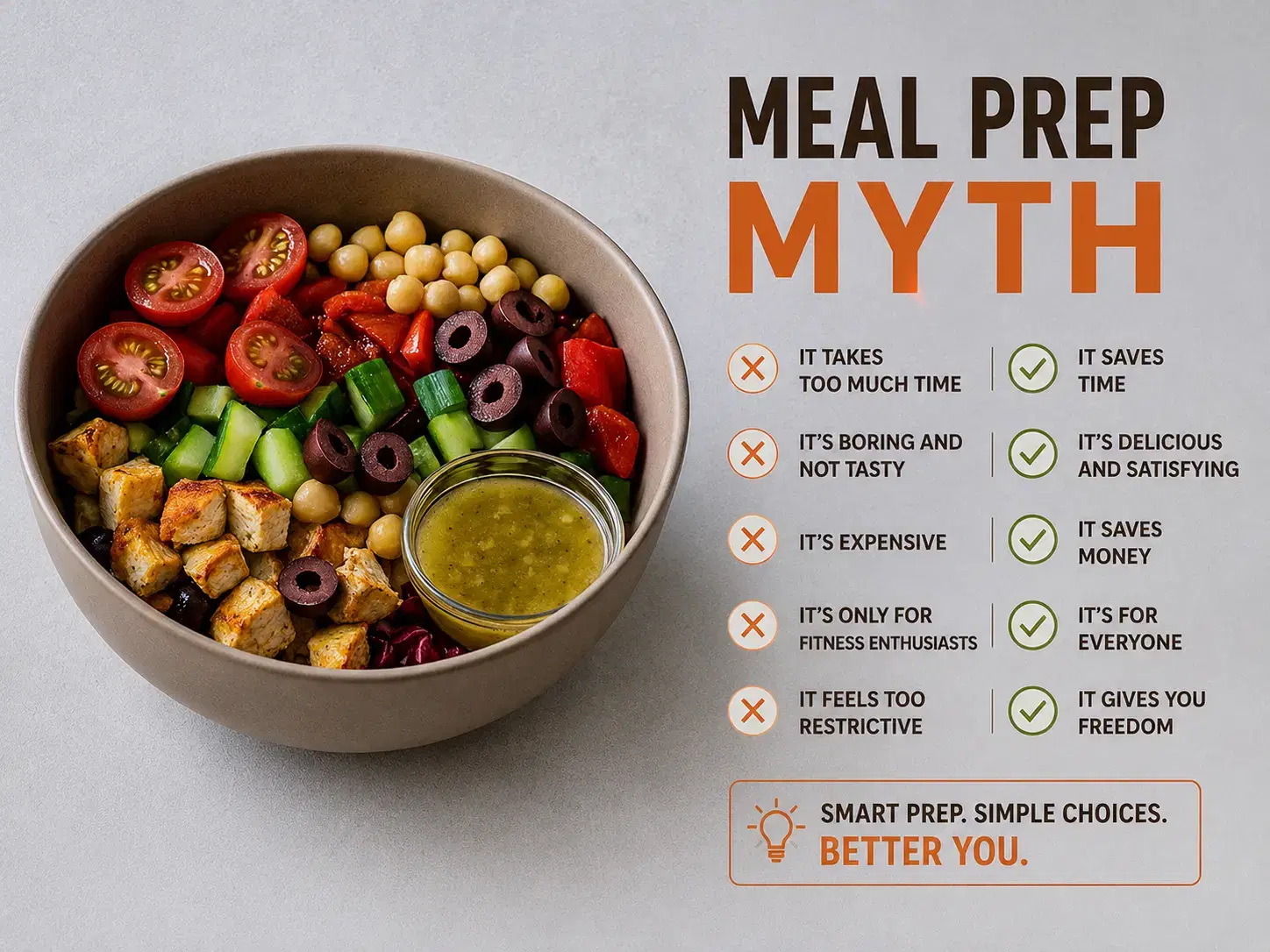
Meal Prep Myth: Why Most People Can't Stick to It
Apr 28, 2026 | 8
Detox Diet Plan: Do You Really Need One?
Apr 27, 2026 |