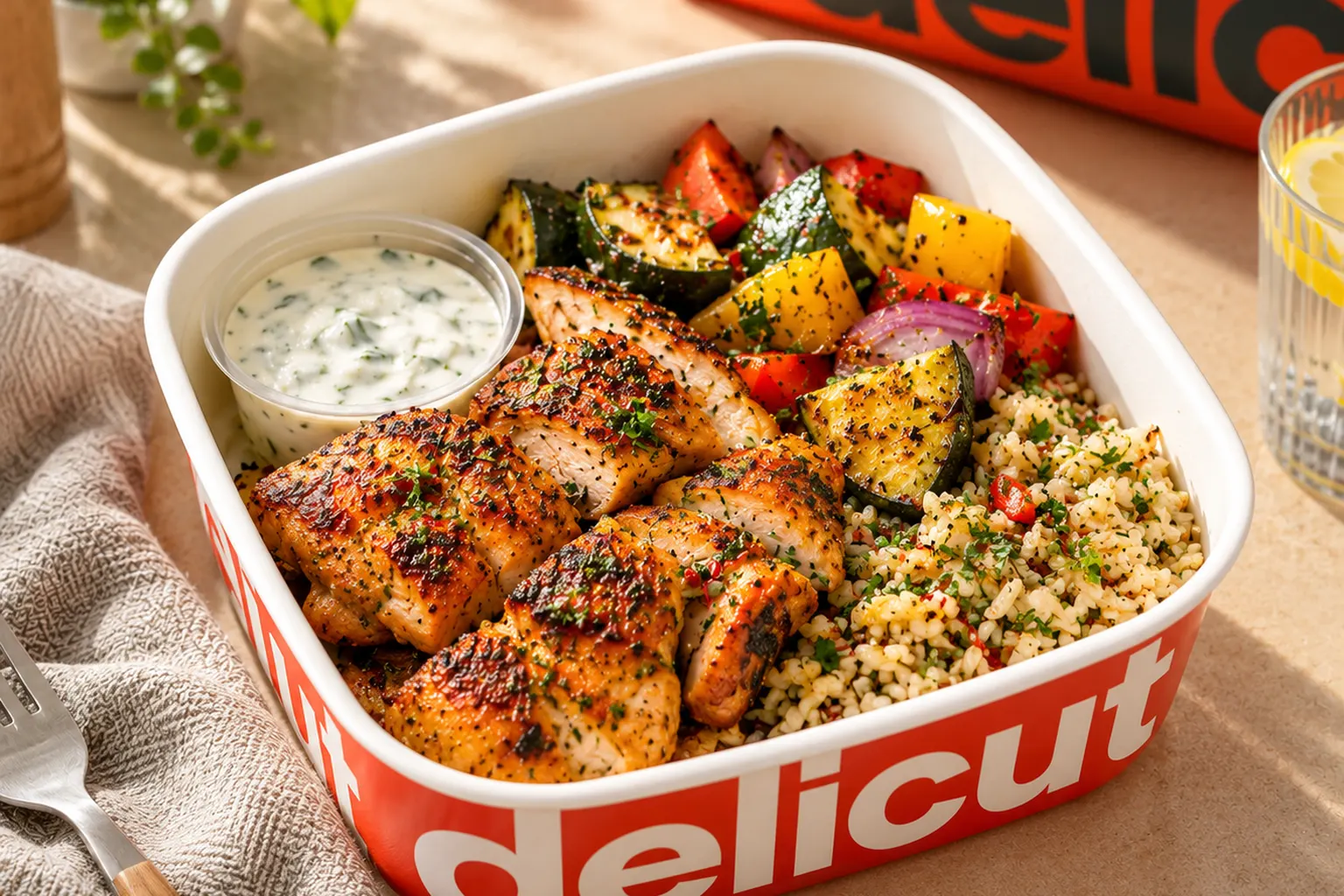

Healthy food that doesn’t taste like “Diet Food”
Jan 17, 2026 | 8 min
Let’s start with the obvious.
When most people hear about healthy food, they don’t think wow, can’t wait to eat that.
They think of dry chicken, limp salads, and meals that feel more like punishment than pleasure.
And that’s exactly where healthy eating went off track.
Because people don’t actually hate healthy food.
They hate food that doesn’t taste good.
And this isn’t just opinion. Research, consumer behaviour studies, and years of nutrition practice all point to the same conclusion: taste is still the biggest driver of what people eat.
Taste still runs the show (Even when health is important)
We like to pretend we choose food based on logic. Health. Discipline. Long-term goals.
But in real life? Taste leads the way.
Research from the Pew Research Center and other articles shows that taste is the number one reason people choose what they eat. Health usually comes second.
That doesn’t mean people don’t care about their health.
It just means taste is the gatekeeper.
Or, put simply:
If it doesn’t taste good, it doesn’t last.
How “diet food” lost people along the way?
There’s a well-documented idea in nutrition psychology called the “unhealthy = tasty” belief.
Meaning? A lot of us automatically expect indulgent food to taste better, before we even try it.
So when something is labelled diet, low-fat, or guilt-free, expectations quietly drop, and when expectations drop, enjoyment usually follows.
That’s not a personal flaw. That’s human behaviour. Something which is repeatedly observed in behavioural relationship research.
It also explains why so many people start eating healthy feeling motivated, then slowly fall off a few weeks later. Not because they lack discipline, but because the food feels unsatisfying, repetitive, or joyless.
No one wants to eat like they’re on timeout.
What do people actually want from healthy food?
1. Food that feels like real food
People want meals that look like something you’d order because you want it, not because you’re “being good.”
Research into sensory nutrition consistently shows that flavour, texture, and aroma heavily influence whether people enjoy a meal and want it again. Small things matter:
- Roasting instead of boiling
- Proper seasoning
- A bit of fat, a bit of acid, some crunch
Healthy food doesn’t need to be complicated. It just needs to be cooked with intention.
2. Satisfaction (not restriction)
A lot of “diet food” fails because it’s built around taking things away.
Less flavour.
Less satisfaction.
Less joy.
Studies show that meals with enough protein, fibre, and healthy fats are more filling and reduce cravings later in the day. When food actually satisfies you, you don’t feel the urge to snack, binge, or quit.
That’s why balance works better than extremes:
- Enough protein to feel full
- Enough flavour to enjoy the meal
- Enough structure to stay consistent
You shouldn’t finish a meal already thinking about your next snack.
3. Foods they already love, just done better
Most people don’t want to give up the foods they grew up with or enjoy socially.
They want smarter versions of them.
Nutrition research supports an add, don’t eliminate approach:
Add veggies.
Add fibre.
Add quality protein and good fats.
You don’t need to start from scratch. You just need food that supports you without making you feel deprived.
Why do the words we use around food matter?
Here’s something interesting: studies show that taste-led language makes people more likely to choose and enjoy healthy meals than health-led language.
Compare:
- Herb-marinated grilled chicken
- Slow-roasted vegetables with warm spices
vs.
- Low-calorie chicken
- Fat-free vegetables
Same food. Totally different vibe.
We eat with our senses first. Logic comes later.
Where Delicut fits into your everyday life?
This is exactly what we see at Delicut, every single day.
People don’t stay consistent because a meal is low-calorie.
They stay consistent because it tastes good, keeps them full, and fits into their actual routine.
That’s why Delicut meals are built around:
- Real flavours
- Balanced portions
- Chef-crafted recipes
No extremes. No guilt. No joyless plates.
Just food you look forward to eating and can actually stick with.
Healthy eating shouldn’t feel like discipline. It should feel doable, enjoyable, and part of your life.
Saja Davood
Nutritionist, Delicut
As a Registered Nutritionist with a degree in Food Nutrition and Dietetics, Saja brings over five years of hands-on experience. She designs personalised, science-backed nutrition plans to help manage conditions such as diabetes, hypertension, obesity, PCOS, and digestive disorders. Her approach centres on Medical Nutrition Therapy (MNT), using food and lifestyle adjustments to prevent and manage chronic diseases in a practical, sustainable way.
Related Blogs
Breast Cancer Awareness Month
The No Refined Sugar Meal Plan
Delicut Introduces New Arabic Dishes to Its Menu
1,000 Calories vs 1,500 Calories: What's the right range for your body?
Metabolism Slowdown: The Signs Your Body Shows Before the Scale Does
The Relocation Weight Trap
Meal Plan Results First 30 Days
Weight Loss in the UAE
Structured Meal Planning
Meals for Bloating and Acid Reflux
Related Blogs
Breast Cancer Awareness Month
The No Refined Sugar Meal Plan
Delicut Introduces New Arabic Dishes to Its Menu
1,000 Calories vs 1,500 Calories: What's the right range for your body?
Metabolism Slowdown: The Signs Your Body Shows Before the Scale Does
The Relocation Weight Trap
Meal Plan Results First 30 Days
Weight Loss in the UAE
Structured Meal Planning
Meals for Bloating and Acid Reflux